12285 Scripps Poway Parkway Suite 104 Poway, CA 92064

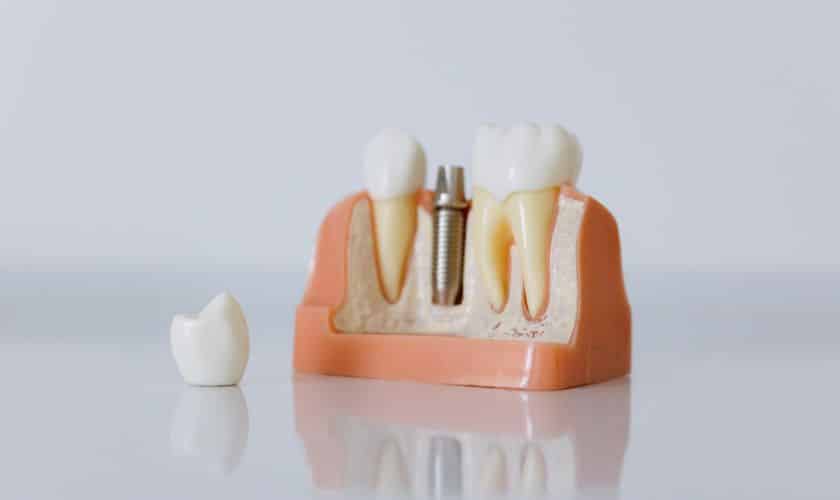
Dental implants are a popular and effective solution for replacing missing teeth, offering a long-lasting and natural-looking option to restore your smile and improve oral health. With various types of dental implants available, understanding their differences is crucial in making an informed decision. In this blog, we’ll explore the three main types of dental implants and help you determine which one might be the best for you.
1. Endosteal Implants
Overview: Endosteal implants are the most common type of dental implant. They are surgically inserted directly into the jawbone and are typically made of titanium. These implants resemble small screws and serve as a sturdy base for one or more artificial teeth.
Pros:
- Durability: Endosteal implants are known for their strength and long-lasting nature.
- Bone Stimulation: They promote bone growth and prevent bone loss, maintaining the integrity of the jawbone.
- Versatility: Suitable for most patients, including those needing single tooth replacement or full-arch restoration.
Cons:
- Surgery Required: The procedure involves minor surgery, which might be daunting for some patients.
- Healing Time: It can take several months for the implant to fully integrate with the jawbone.
Best For: Patients with a healthy jawbone who are looking for a durable, long-term solution for tooth replacement.
2. Subperiosteal Implants
Overview: Subperiosteal implants are placed under the gum but above the jawbone. These implants are typically used for patients who do not have enough healthy jawbone to support endosteal implants and are not candidates for bone augmentation procedures.
Pros:
- No Bone Augmentation Needed: Ideal for patients with insufficient bone height or those who want to avoid bone grafting.
- Shorter Healing Time: Generally, the healing process is quicker than with endosteal implants.
Cons:
- Less Stability: These implants are not as stable as endosteal implants because they do not integrate with the jawbone.
- Potential for Gum Issues: Higher risk of complications related to the gums since the implant sits above the bone.
Best For: Patients with significant bone loss who are looking for a less invasive option and want to avoid bone grafting procedures.
3. Zygomatic Implants
Overview: Zygomatic implants are the least common type and are used in cases of severe bone loss in the upper jaw. Instead of being anchored in the jawbone, these implants are anchored in the cheekbone (zygomatic bone), which is denser and provides a solid foundation.
Pros:
- Alternative to Bone Grafts: Provides a solution for patients with extreme bone loss without needing extensive bone grafting.
- Immediate Loading: Often, temporary teeth can be placed on the same day as the implant surgery.
Cons:
- Complex Procedure: The surgery is more complex and requires a highly skilled specialist.
- Limited Availability: Not as widely available as other implant types and may be more costly.
Best For: Patients with severe bone loss in the upper jaw who are looking for an alternative to traditional bone grafting and want a faster restoration process.
Which One Is Best for You?
Choosing the right type of dental implant depends on various factors, including the health of your jawbone, your overall health, and your personal preferences. Here are a few considerations to help you decide:
- Bone Health: If you have a healthy jawbone, endosteal implants are typically the best option due to their stability and longevity.
- Bone Loss: If you have significant bone loss and want to avoid bone grafts, subperiosteal implants might be suitable.
- Severe Bone Loss: For extreme cases of bone loss in the upper jaw, zygomatic implants offer a reliable alternative without the need for extensive grafting.
Consulting with a dental implant specialist is crucial in making the best decision. They can assess your individual situation, perform necessary imaging, and recommend the most appropriate type of implant for your needs.
Conclusion
Dental implants can transform your smile and improve your quality of life, but choosing the right type is essential for success. Endosteal, subperiosteal, and zygomatic implants each have their unique advantages and are suited for different situations. By understanding these options and consulting with a professional, you can make an informed choice that will ensure a healthy, beautiful smile for years to come.