12285 Scripps Poway Parkway Suite 104 Poway, CA 92064

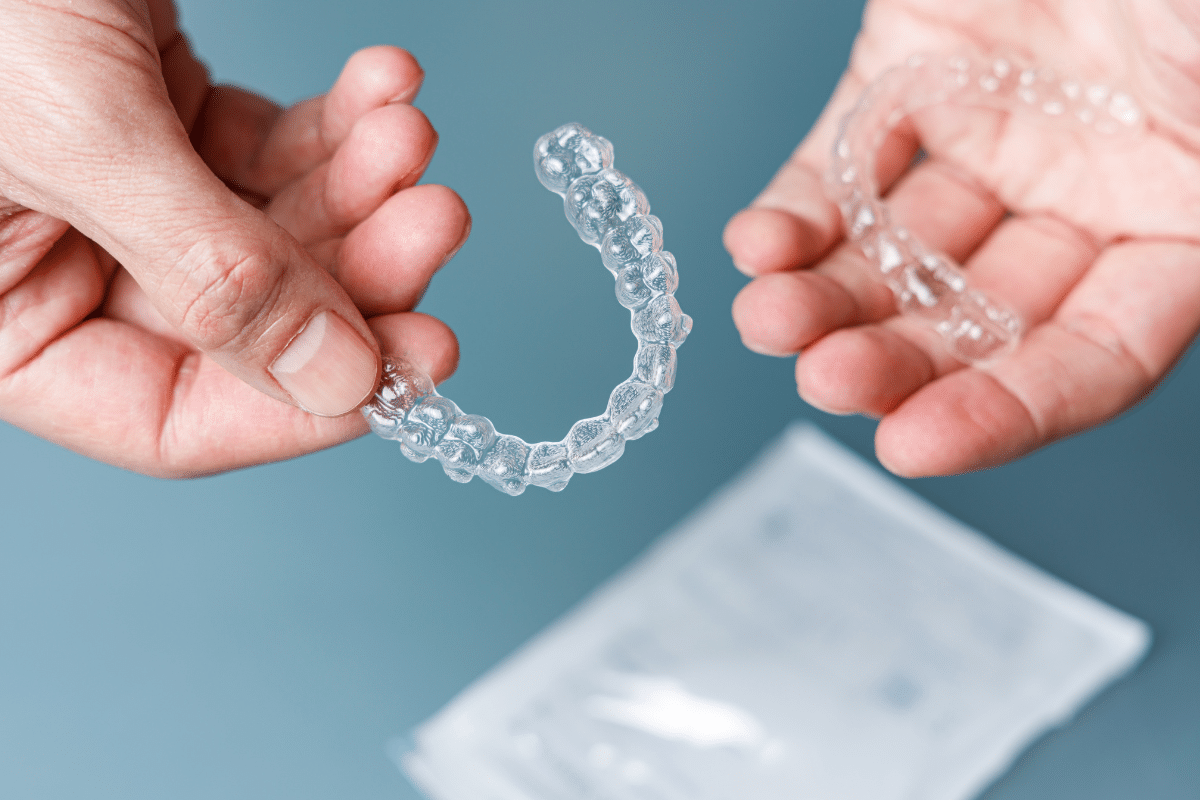
In recent years, clear aligners have become a popular choice for individuals seeking a discreet and effective alternative to traditional braces. Among these options, Invisalign is often the most well-known. But how does Invisalign compare to other clear aligners? Let’s delve into what sets Invisalign apart and explore the key differences between it and other clear aligner systems.
1. Proven Track Record and Innovation
Invisalign: Launched in 1999, Invisalign has had over two decades to refine its technology and improve its offerings. The system is backed by extensive research and has been used to treat millions of patients worldwide. Invisalign’s innovations include SmartTrack® material, which enhances comfort and control, and SmartForce® attachments that help achieve more complex tooth movements.
Other Clear Aligners: Many newer or lesser-known clear aligner brands may not have the same level of research backing or clinical history. While some offer effective solutions, they may not have the extensive refinement and proven results that Invisalign has accumulated over the years.
2. Customization and Treatment Planning
Invisalign: Invisalign utilizes a highly advanced digital platform called ClinCheck®. This software allows dentists to create a detailed, customized treatment plan with 3D imaging. Patients can see a virtual preview of their smile transformation before treatment begins. Additionally, Invisalign aligners are custom-made from impressions or scans of the patient’s teeth, ensuring a precise fit and effective movement.
Other Clear Aligners: While other clear aligner systems also use digital planning, the sophistication and customization level can vary. Some might offer basic 3D planning, but they may not provide the same level of detailed visualization or advanced customization that Invisalign does.
3. Treatment Complexity and Versatility
Invisalign: Invisalign is renowned for its ability to treat a wide range of orthodontic issues, from mild to severe cases. The system is capable of addressing complex issues such as significant tooth rotations and space closures, thanks to its advanced technology and variety of attachments and accessories.
Other Clear Aligners: Some clear aligner systems may be designed for more straightforward cases. They might struggle with complex orthodontic issues or require additional tools and treatments. It’s important to consult with a provider to understand the capabilities of a particular system and whether it can handle the complexity of your needs.
4. Comfort and Fit
Invisalign: Invisalign aligners are crafted from a patented, smooth plastic material that is designed to be comfortable and less irritating to the gums and cheeks. The aligners are custom-fit to each patient’s teeth, reducing the likelihood of discomfort and ensuring a snug fit.
Other Clear Aligners: While many other clear aligner brands also use smooth plastic materials, the comfort and fit can vary. Some may be less refined or may not provide the same level of precision, potentially leading to less comfort or issues with the fit.
5. Brand Reputation and Support
Invisalign: Invisalign is a well-established brand with a strong reputation in the orthodontic community. They provide extensive support for both patients and dental professionals, including training programs, resources, and customer service.
Other Clear Aligners: Newer or less established brands might not have the same level of support or recognition. While some offer excellent products and customer service, the brand reputation and support system may not be as robust as Invisalign’s.
6. Cost and Accessibility
Invisalign: Invisalign is often positioned at a higher price point compared to other clear aligners, reflecting its advanced technology and extensive research backing. However, many practices offer financing options to make treatment more accessible.
Other Clear Aligners: Some alternative clear aligner systems may be more budget-friendly, but it’s essential to consider whether they provide the same level of care, precision, and effectiveness. Lower cost options might not always offer the same results or support.
Conclusion
Choosing the right clear aligner system is a crucial decision that depends on your specific needs, preferences, and budget. While Invisalign offers a proven track record, advanced technology, and comprehensive support, other clear aligners can also be effective, especially for less complex cases.
Consulting with an experienced orthodontist can help you understand the best option for your individual situation. Ultimately, the choice between Invisalign and other clear aligners should be guided by the treatment goals and the professional recommendation tailored to your dental needs.