12285 Scripps Poway Parkway Suite 104 Poway, CA 92064

When most people think about invisalign, they often associate it with straightening crooked teeth. However, alignment is only one part of a healthy smile. Bite issues can quietly affect your oral health over time, leading many people to wonder if invisalign can do more than just improve appearance.
We will learn how Invisalign works, whether it can address bite concerns, and which factors determine its effectiveness.
Understanding Bite Issues and Why They Matter
A “bite” refers to how your upper and lower teeth come together when you close your mouth. When this alignment is off, it can lead to a variety of problems beyond aesthetics.
Common Types of Bite Problems
- Overbite: Upper teeth overlap too much over the lower teeth
- Underbite: Lower teeth sit in front of the upper teeth
- Crossbite: Some upper teeth sit inside lower teeth
- Open bite: Teeth don’t fully meet when the mouth is closed
- Crowding or spacing issues: Affect how teeth align within the bite
These issues can contribute to uneven tooth wear, jaw discomfort, speech challenges, and difficulty chewing. That’s why correcting a bite is not just cosmetic—it’s functional.
How Invisalign Works to Improve Bite Alignment
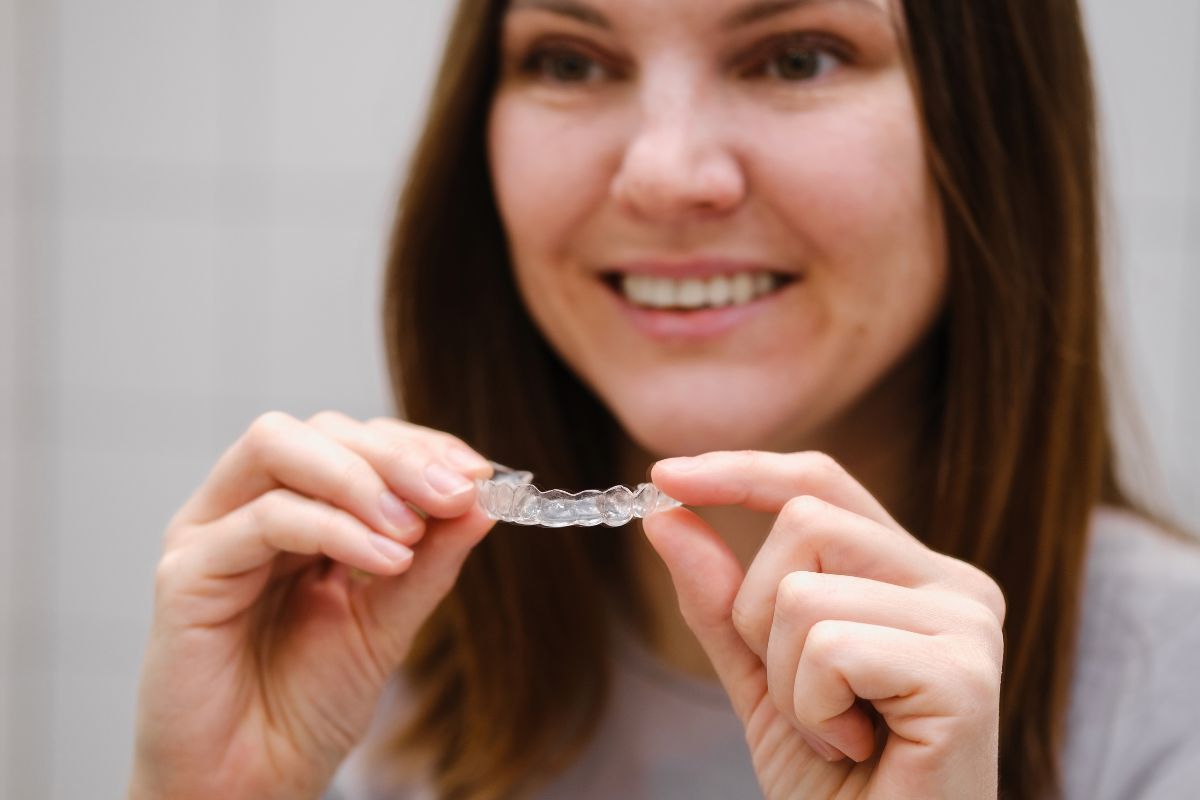
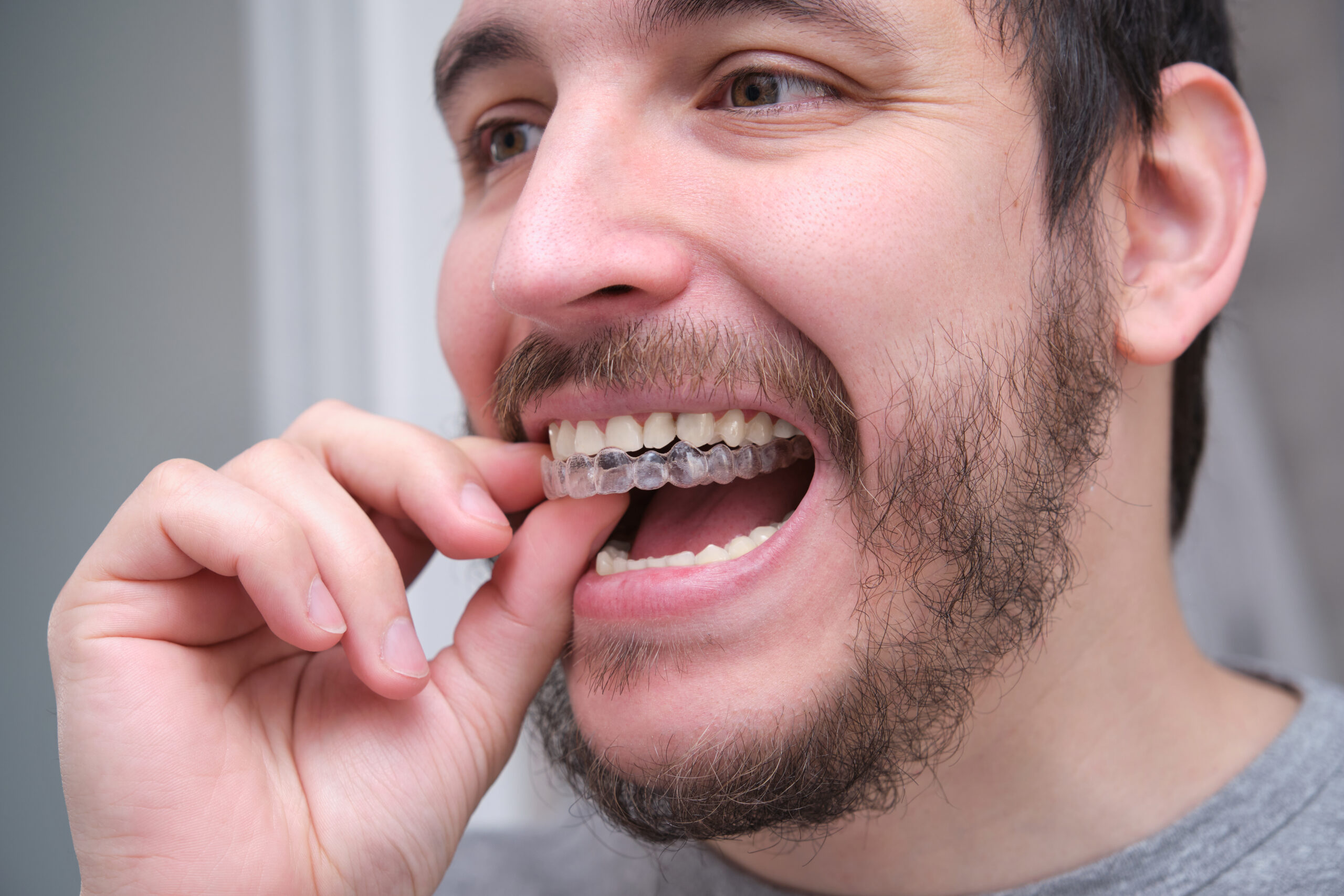
Invisalign uses a series of clear, custom-made aligners designed to gradually move teeth into better positions. Each aligner is slightly adjusted to guide controlled tooth movement over time.
Unlike traditional braces, invisalign relies on a digitally planned treatment process. This allows dental professionals to map out how each tooth will shift, including adjustments needed to improve the bite.
Key Features That Help Address Bite Issues
- Precise tooth movement planning using advanced imaging
- Gradual repositioning to reduce strain on teeth and jaw
- Attachments or elastics (in some cases) to guide complex movements
This structured and patient-centered approach allows invisalign to address not just visible alignment concerns but also underlying bite irregularities.
Can Invisalign Correct All Bite Problems?
The short answer is: it depends on the complexity of the case.
Mild to Moderate Bite Issues
Invisalign is highly effective for:
- Mild overbites and underbites
- Minor crossbites
- Slight open bites
- Spacing or crowding that affects the bite
These cases respond well because the movements required are typically more predictable and manageable with aligners.
More Complex Cases
Severe bite problems may require additional orthodontic techniques or a combination of treatments. In some situations, traditional braces or other interventions may be recommended for optimal results.
An experienced dental professional will evaluate factors such as jaw position, tooth movement needs, and overall oral health before recommending invisalign for bite correction.
Benefits of Using Invisalign for Bite Correction
For suitable cases, invisalign offers several advantages that go beyond aesthetics.
Comfort and Convenience
The smooth plastic aligners reduce irritation often associated with metal brackets and wires. They are also removable, making eating and oral hygiene easier.
Discreet Treatment
Because invisalign aligners are clear, they are less noticeable, which can be appealing for adults and teens seeking a more subtle solution.
Predictable Results
Digital treatment planning provides a clear roadmap of how your bite and teeth will improve over time, offering greater confidence in the outcome.
Supports Long-Term Oral Health
Correcting bite issues can reduce strain on teeth and jaw joints, helping prevent complications such as enamel wear and discomfort.
Is Invisalign the Right Choice for You?
Choosing invisalign for bite correction starts with a thorough evaluation. Every smile is unique, and treatment should reflect individual needs rather than a one-size-fits-all approach.
A professional assessment will consider:
- The type and severity of your bite issue
- Your overall oral health
- Your lifestyle and ability to commit to treatment
This personalized, patient-centered approach ensures the recommended solution aligns with both your functional and aesthetic goals.
Take the Next Step Toward Better Alignment and Lasting Comfort
Correcting bite issues is about more than improving how your smile looks—it plays a key role in protecting your long-term oral health, comfort, and daily function. Invisalign offers a modern, patient-centered approach that can effectively address many bite concerns when guided by the right expertise and a commitment to high-quality care.
At Rolling Hills Family Dentistry, we focus on helping you understand your bite and guiding you toward the most suitable path for lasting results. If you have been considering invisalign and want to know if it is the right fit for your needs, schedule an appointment with us today and take the first step toward a healthier, more confident smile.
Frequently Asked Questions
Can Invisalign fix bite problems or just straighten teeth?
Invisalign is designed to do more than straighten teeth. It can correct many mild to moderate bite issues by gradually shifting teeth into proper alignment, improving both function and appearance.
How long does Invisalign take to correct a bite?
Treatment time varies depending on the complexity of the bite issue. Most cases range from several months to over a year, but a personalized evaluation gives a more accurate timeline.
Is Invisalign effective for severe bite issues?
Invisalign can treat many cases, but severe bite problems may require additional orthodontic approaches. A dental professional can determine the most effective option based on your needs.
Do I need to wear Invisalign all day for bite correction?
Yes, for best results, aligners should typically be worn 20–22 hours a day. Consistent wear is essential for correcting both alignment and bite issues effectively.
Are Invisalign results permanent?
Results can be long-lasting when you follow post-treatment guidance, such as wearing retainers as recommended to maintain your new bite alignment.