12285 Scripps Poway Parkway Suite 104 Poway, CA 92064


Getting a dental filling is one of the most common ways to restore a tooth affected by decay or minor damage. After the procedure, many patients wonder what they can safely eat or drink, especially when it comes to water. If you recently had a filling placed, understanding the right aftercare steps can help protect your tooth and support a smoother recovery.
The good news is that in most cases, drinking water after a dental filling is completely safe. However, the timing and temperature of the water may depend on the type of filling material used and how your mouth feels after the procedure.
Is It Safe to Drink Water After a Dental Filling?
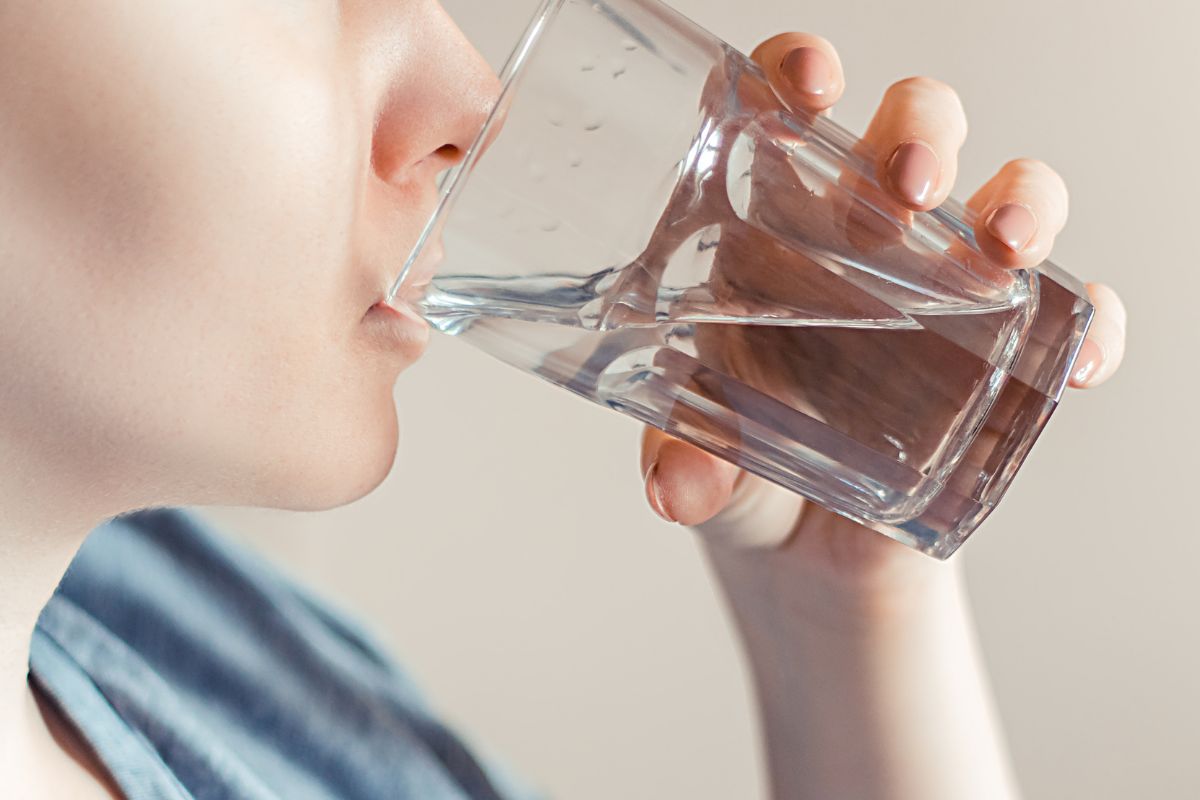
Yes, you can usually drink water shortly after getting a dental filling. Water is gentle on your teeth and helps keep your mouth hydrated and clean. Many patients are encouraged to drink water after dental procedures because it can rinse away bacteria and food particles without irritating the treated area.
Still, there are a few things to keep in mind before reaching for a cold bottle of water immediately after your appointment.
The Type of Filling Matters
Different fillers harden at different rates. A professional dentist may use materials such as composite resin, amalgam, gold, or ceramic fillings, depending on the condition of the tooth and the patient’s needs.
Composite Fillings
Composite fillings harden instantly using a special curing light. In most cases, patients can drink water right after the appointment. However, your tooth may feel temporarily sensitive, especially to cold temperatures.
Amalgam Fillings
Amalgam fillings take longer to fully harden. While drinking water is generally fine, dentists often recommend avoiding chewing hard foods on that side of the mouth for several hours.
Should You Avoid Cold or Hot Water?
After a filling, your tooth can become temporarily sensitive. This is completely normal and often improves within a few days or weeks. Extremely cold or hot drinks may trigger discomfort because the tooth nerves are still adjusting after the procedure.
Tips for Drinking Water Comfortably
- Choose room-temperature water if your tooth feels sensitive
- Sip slowly instead of drinking large amounts quickly
- Avoid ice-cold beverages immediately after treatment
- Stay hydrated to support oral health and healing
If the sensitivity becomes severe or lasts longer than expected, it is important to contact a professional dentist for an evaluation.
Why Your Mouth May Feel Numb After a Filling
Many fillings are completed using local anesthesia to keep the procedure comfortable. After the appointment, your lips, cheeks, or tongue may stay numb for a few hours.
Be Careful While Drinking
While you can drink water during this time, it is important to drink carefully. Numbness can make it difficult to feel temperature or control swallowing normally. Drinking too quickly may increase the chance of accidentally biting your cheek or spilling hot liquids.
For this reason, most dental professionals recommend sticking to lukewarm or room-temperature water until the numbness wears off.
Can Drinking Water Help After a Filling?
Water can actually be beneficial after a dental filling. Staying hydrated supports saliva production, which plays an important role in protecting teeth and maintaining a healthier mouth.
Benefits of Drinking Water After Dental Treatment
Helps Rinse the Mouth
Water gently removes residual debris and bacteria after treatment.
Keeps the Mouth Hydrated
A hydrated mouth promotes better comfort and supports natural healing.
Reduces Dry Mouth
Some patients experience temporary dryness after dental procedures, especially if they were anxious or breathing through their mouth during treatment.
Supports Overall Oral Health
Drinking water regularly helps wash away acids and food particles that can contribute to future tooth decay.
Foods and Drinks to Avoid Right After a Filling
Even though water is safe, certain foods and beverages may irritate the treated tooth shortly after the procedure.
Try to Avoid:
- Sticky candies
- Hard or crunchy snacks
- Extremely hot coffee or tea
- Sugary sodas
- Ice chewing
These items can place pressure on the filling or increase tooth sensitivity. Following your dentist’s instructions can help your filling last longer and reduce unnecessary discomfort.
When Should You Call a Dentist?
Mild soreness and sensitivity are common after a filling, but certain symptoms should not be ignored.
Contact a Professional Dentist If You Notice:
- Severe pain that worsens over time
- Difficulty biting down comfortably
- Persistent sensitivity lasting several weeks
- Swelling around the tooth or gums
- A filling that feels loose or uneven
Prompt evaluation can help prevent further complications and ensure the filling is functioning properly.
Protect Your Smile With Trusted Dental Care at Rolling Hills Family Dentistry
Taking care of your teeth after a filling is an important part of maintaining long-term oral health. At Rolling Hills Family Dentistry, we are committed to helping patients feel informed, comfortable, and confident about their dental care. Whether you have questions about tooth sensitivity, recovery after a filling, or how to maintain a healthier smile, our experienced team is here to provide patient-focused care and guidance you can trust. Schedule an appointment today and let us support your smile with high-quality, compassionate care.
FAQs
Is cold water bad after a dental filling?
Cold water may cause temporary sensitivity after a filling, especially during the first few days. If discomfort occurs, try drinking lukewarm water instead.
How long should I wait to eat or drink after a filling?
The timing depends on the type of filling used. Composite fillings harden quickly, while other materials may require more caution for several hours.
Why does my tooth hurt when I drink water after a filling?
Mild sensitivity after a filling is common because the tooth nerve may still be adjusting. Persistent or severe pain should be checked by a professional dentist.
Can I drink hot coffee or tea after a dental filling?
It is best to avoid extremely hot beverages immediately after a filling, especially while your mouth is numb or sensitive.
What foods and drinks should I avoid after a filling?
Sticky candies, hard foods, sugary drinks, and very hot or cold beverages should be limited right after treatment to avoid irritation or pressure on the filling.