12285 Scripps Poway Parkway Suite 104 Poway, CA 92064

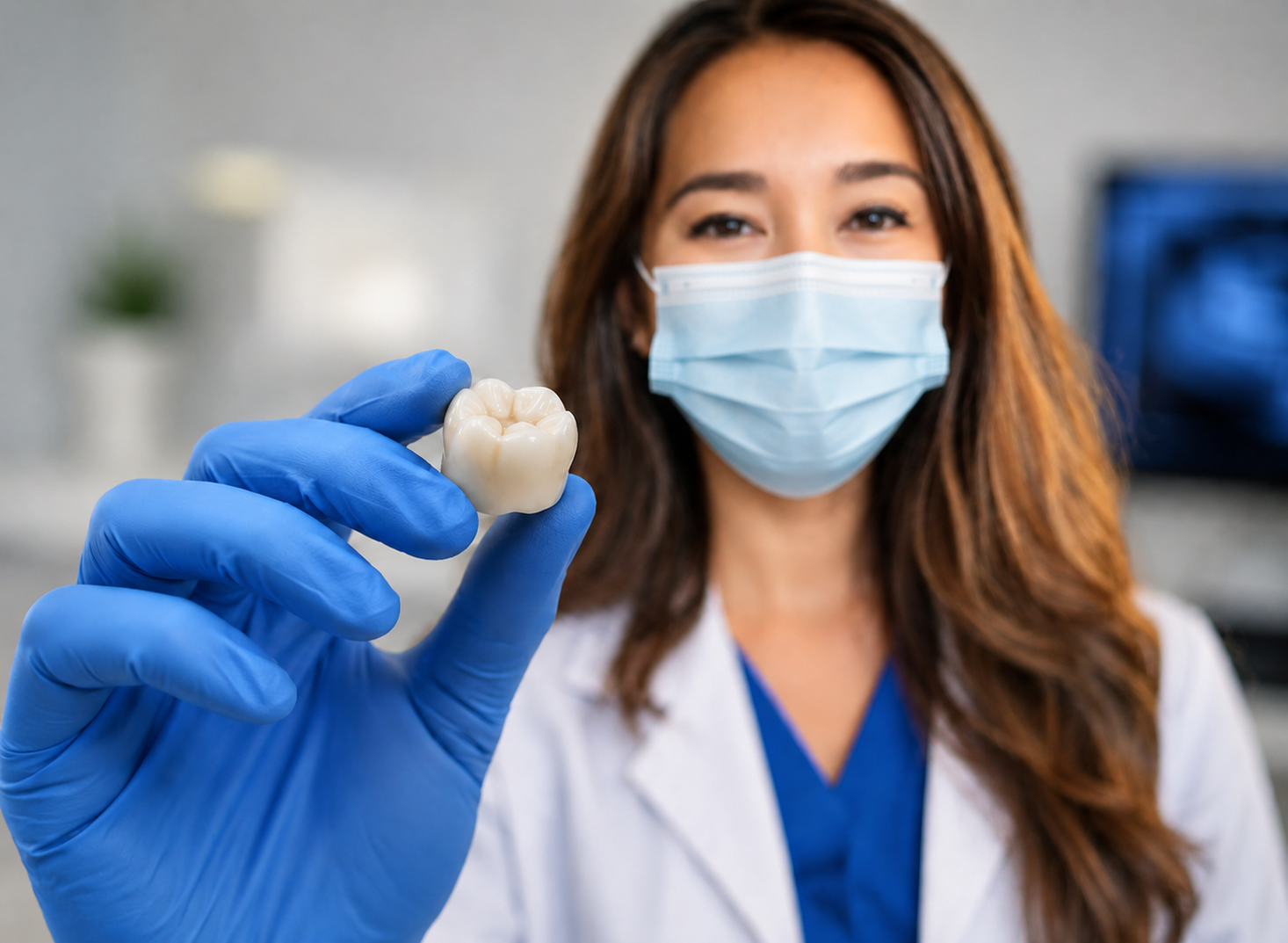
If you experience tooth pain when biting, it’s your body’s way of telling you something isn’t right. While the discomfort may seem minor at first, it can indicate a damaged or weakened tooth that needs professional attention. In many cases, a dental crown is one of the most effective ways to protect the tooth, restore its strength, and prevent further damage.
According to the American Dental Association (ADA), untreated tooth fractures, large cavities, and worn restorations can worsen over time, increasing the risk of infection or tooth loss. Seeking treatment early often allows your dentist to preserve your natural tooth and avoid more extensive procedures.
At Rolling Hills Family Dentistry, Dr. Dana Baba helps patients in Poway and surrounding North County San Diego communities identify the cause of tooth pain and provide personalized treatment that supports long-term oral health
Why Does a Tooth Hurt When You Bite Down?
Pain while biting usually means your tooth is under pressure due to an underlying problem. Every time you chew, that pressure can aggravate the damaged area, making the pain more noticeable.
Some of the most common causes include:
- A cracked or fractured tooth
- A large cavity weakening the tooth
- A worn or damaged filling
- Teeth grinding (bruxism)
- An uneven bite
- An infection inside the tooth
Only a professional dental examination can determine the exact cause, which is why persistent pain should never be ignored.
5 Signs You May Need a Dental Crown
A dental crown is designed to restore and protect a tooth that can no longer support a filling alone. Here are five signs it may be the right solution.
1. Your Tooth Hurts Every Time You Bite
Pain while chewing often indicates that the tooth structure has been weakened. A dental crown can provide full coverage and help distribute biting pressure more evenly.
2. You Have a Cracked Tooth
Small cracks aren’t always visible, but they can worsen with everyday chewing. Covering the tooth with a dental crown may help protect it from further damage.
3. A Large Filling Keeps Breaking Down
Teeth with large, older fillings have less natural tooth structure remaining. When the remaining tooth becomes weak, a dental crown can provide long-term protection.
4. Your Tooth Feels Sensitive After Chewing
Lingering sensitivity after eating or drinking may indicate that the tooth has been compromised. A thorough dental evaluation can determine whether additional protection is needed.
5. Your Tooth Looks Worn or Damaged
Years of grinding, clenching, or normal wear can gradually weaken a tooth. A dental crown restores both strength and appearance while helping maintain normal function.
Can Tooth Pain Go Away Without Treatment?
Sometimes the discomfort may improve for a short time, but that doesn’t mean the problem has healed.
Unlike skin or bone, teeth cannot repair themselves. If a crack, cavity, or weakened tooth is left untreated, the damage can continue to progress, making future treatment more complicated.
Early diagnosis often leads to simpler and more conservative treatment options.
How Can You Protect Your Teeth?
Healthy habits play an important role in preventing tooth damage.
You can reduce your risk by:
- Brushing twice daily with fluoride toothpaste.
- Flossing every day.
- Avoiding chewing ice and hard candies.
- Wearing a custom nightguard if you grind your teeth.
- Scheduling regular dental checkups and professional cleanings.
Preventive care helps identify small problems before they become larger ones.
When Should You See a Dentist?
If your tooth hurts every time you bite, don’t wait for the pain to become severe.
Schedule a dental evaluation if you notice:
- Pain while chewing
- A chipped or cracked tooth
- Sensitivity that doesn’t improve
- Swollen gums around one tooth
- A loose filling or crown
- Pain lasting more than two days
Prompt treatment can often prevent additional damage and improve the chances of preserving your natural tooth.
Protect Your Smile Before the Problem Gets Worse
Ignoring tooth pain when biting can allow a small problem to turn into a larger one. Whether the discomfort is caused by a cracked tooth, a worn restoration, or another underlying issue, early evaluation can help preserve your natural tooth and reduce the need for more extensive treatment.
If you’re experiencing pain while chewing or biting, don’t wait for the symptoms to worsen. A timely dental examination can identify the cause and provide the right solution to restore your comfort and confidence.
If you’re ready to take the next step, request an appointment to receive a personalized evaluation and treatment plan tailored to your oral health needs.
Frequently Asked Questions
1. Can tooth pain when biting mean I need a dental crown?
Yes. A weakened, cracked, or heavily restored tooth may require a dental crown for added protection.
2. Will tooth pain go away on its own?
Not usually. Persistent pain often indicates an underlying dental problem that should be evaluated.
3. How do I know if my tooth is cracked?
Pain when chewing, sensitivity, or a visible crack are common warning signs.
4. Can a dental crown help protect a damaged tooth?
Yes. Dental crowns are designed to strengthen and protect weakened teeth from further damage.
5. When should I see a dentist for tooth pain?
If the pain lasts more than two days or occurs every time you bite, schedule a dental appointment as soon as possible.