12285 Scripps Poway Parkway Suite 104 Poway, CA 92064

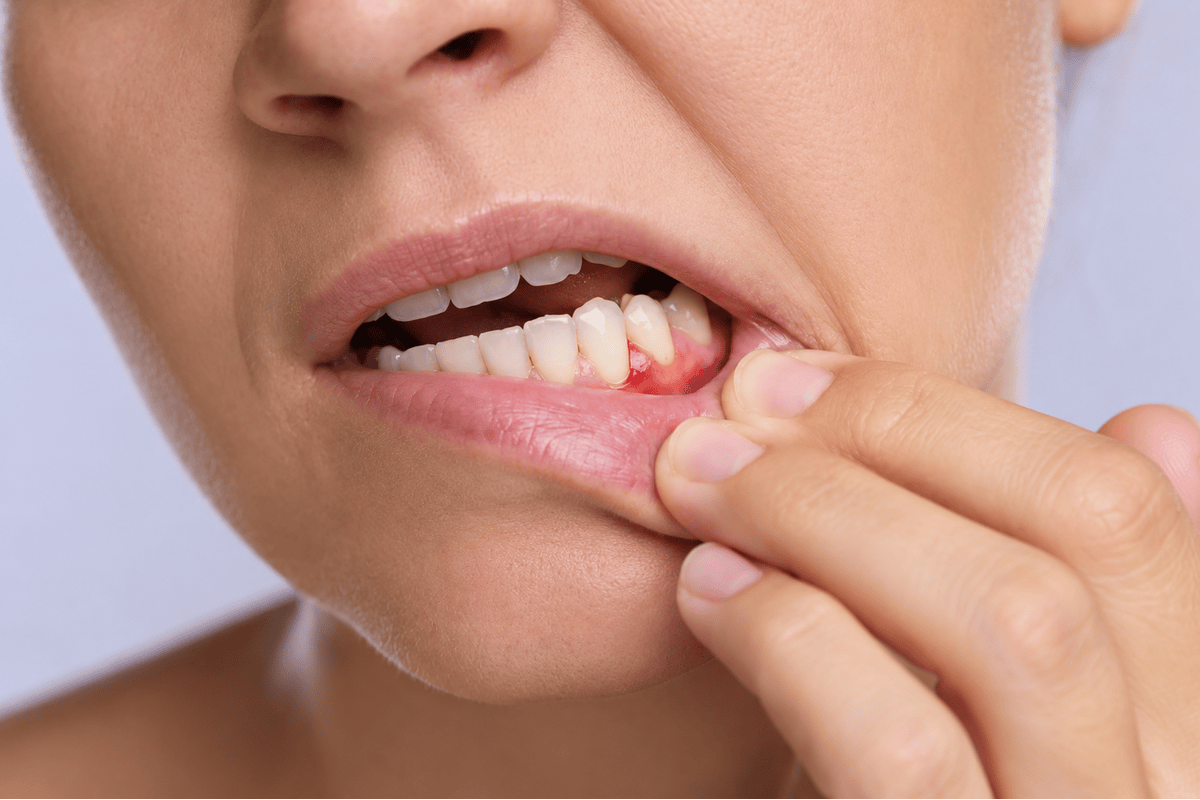
You brush your teeth, spit into the sink, and notice something unusual: blood, but only around one tooth.
Your first thought might be, “Maybe I brushed too hard.” While that’s possible, bleeding that keeps happening in the same spot is often your body’s way of telling you that something needs attention. It could be as simple as trapped plaque or as serious as the early stages of gum disease.
If left untreated, the problem can gradually worsen and affect the health of your gums and supporting bone. The good news is that early diagnosis often leads to simpler treatment. If you’re looking for gum disease treatment in Poway, CA, understanding why only one area is bleeding is the first step toward protecting your smile and preventing more extensive dental problems.
Is It Normal for Just One Tooth to Bleed?
Occasional bleeding after aggressive brushing or flossing can happen.
However, if the same area bleeds repeatedly, even when you’re brushing gently, it isn’t something to ignore.
Healthy gums generally don’t bleed during everyday brushing or flossing. Persistent bleeding around a single tooth often points to a localized problem rather than an issue affecting your entire mouth.
Could It Be More Than Brushing Too Hard?
Several conditions can cause bleeding around one specific tooth :
Plaque Buildup
Plaque can accumulate around one tooth more than the others, especially if it’s difficult to clean. Over time, bacteria irritate the gums, causing inflammation and bleeding.
Food Trapped Between Teeth
Food that regularly becomes lodged between two teeth can irritate the gum tissue and allow bacteria to grow, leading to localized inflammation.
A Damaged Filling or Crown
A worn filling or poorly fitting dental crown can trap plaque and food debris beneath the restoration, making the surrounding gums more likely to bleed.
Early Gum Disease
Gingivitis often begins in one area before affecting the rest of the mouth. Without treatment, it can progress into periodontal disease and damage the bone supporting your teeth.
A Cracked Tooth
Tiny cracks aren’t always painful, but they can collect bacteria below the gumline and trigger persistent irritation.
Quick Fact
The Center for Disease Control and Prevention (CDC) estimates that
Nearly half of adults aged 30 years and above have some form of periodontal disease.
Detecting inflammation early gives you the best chance of preventing permanent damage to the gums and supporting bone.
What Your Dentist Checks First
When you visit your dentist, the goal isn’t just to stop the bleeding, it’s to identify why it’s happening.
During your examination, your dentist may evaluate:
- The health of the surrounding gum tissue
- Plaque and tartar buildup below the gumline
- Existing fillings or crowns
- Signs of gum recession
- Tooth mobility
- Bite pressure on the affected tooth
- Digital X-rays to detect hidden bone loss or infection
Finding the source of the problem allows treatment to focus on the cause rather than just the symptom.
How Treatment Depends on the Cause
Because every case is different, treatment is tailored to what’s causing the bleeding.
Depending on your diagnosis, your dentist may recommend:
- Professional dental cleaning to remove plaque and tartar.
- Scaling and root planing if bacteria have spread beneath the gums.
- Dental fillings to repair decay that traps food and bacteria.
- Dental crowns to replace damaged restorations that irritate the gums.
- Root canal therapy is used when an infection inside the tooth is affecting nearby tissues.
- Periodontal maintenance helps manage ongoing gum disease and protect your oral health.
Addressing the problem early often prevents more extensive treatment later.
When Should You Schedule a Dental Visit?
You shouldn’t wait if the bleeding is accompanied by:
- Swollen or tender gums
- Persistent bad breath
- Pain while chewing
- Gum recession
- Loose teeth
- Pus around the gums
- Bleeding that continues for more than a week
These symptoms may indicate that the problem extends beyond simple gum irritation.
Why Early Treatment Matters
Many patients ignore bleeding because it doesn’t hurt.
Unfortunately, gum disease can progress quietly. By the time pain develops, the infection may already have affected the tissues and bone supporting your tooth.
Early diagnosis often means simpler treatment, faster healing, and a better chance of preserving your natural teeth.
Protect Your Gums Before the Problem Gets Worse
Bleeding around just one tooth may seem minor, but it’s often your body’s way of telling you that something isn’t right. Whether the cause is plaque buildup, a damaged restoration, or the early stages of gum disease, addressing it early can help protect your teeth and gums from more extensive treatment later.
If you’ve noticed the same area bleeding more than once, don’t wait until it becomes painful. A professional dental examination can identify the underlying cause and recommend the most appropriate treatment.
If you’re experiencing persistent bleeding around one tooth, request an appointment with the team at Rolling Hills Family Dentistry. We’ll evaluate your oral health, answer your questions, and create a personalized treatment plan to help restore a healthy, confident smile.
Frequently Asked Questions
Why does only one tooth bleed when I floss?
It may be caused by plaque buildup, trapped food, gum irritation, or an early sign of gum disease.
Can bleeding gums around one tooth go away on their own?
Not always. If the bleeding continues, a dental examination is recommended to determine the cause.
Is bleeding around one tooth a sign of infection?
It can be. Localized bleeding may indicate inflammation, gum disease, or an infection around the tooth.
Should I keep flossing if one tooth bleeds?
Yes. Gentle flossing helps remove plaque, but persistent bleeding should still be evaluated by your dentist.
When should I see a dentist for bleeding gums?
If the bleeding lasts more than a week or is accompanied by swelling, pain, or bad breath, schedule an appointment promptly.