12285 Scripps Poway Parkway Suite 104 Poway, CA 92064

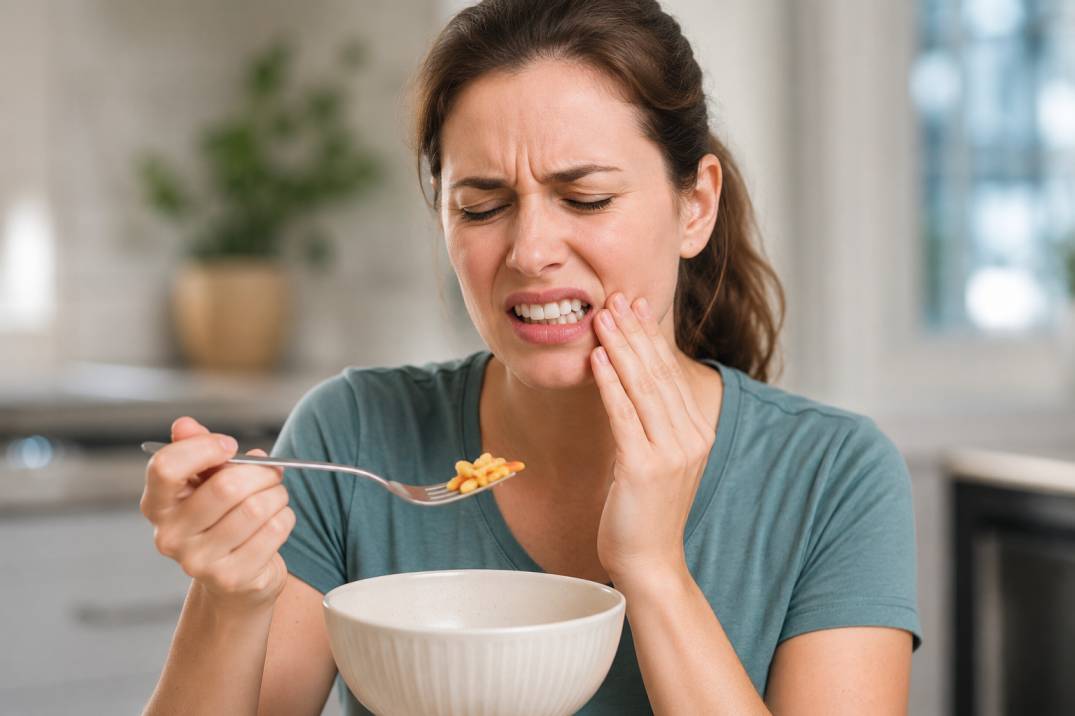
You don’t always notice it until you’re eating lunch or enjoying dinner. One bite feels perfectly normal, but the next makes a single tooth feel “off.” It may not be painful, but it feels slightly different: tender, unusually sensitive, or as though it’s taking more pressure than the rest of your teeth.
Many people dismiss this feeling because it comes and goes. Unfortunately, changes like these are often early warning signs of a dental problem that’s easier to treat now than months later.
If you’ve noticed that one tooth feels different every time you chew, it’s worth paying attention. For families in Poway, CA, Rancho Bernardo, Scripps Ranch, Carmel Mountain Ranch, 4S Ranch, and nearby San Diego communities, understanding the possible causes can help you protect your smile before a small issue becomes a bigger one.
Your Teeth Should Work Together, Not One at a Time
A healthy bite spreads chewing pressure evenly across your teeth.
When one tooth suddenly feels different, it usually means something has changed. The tooth may be absorbing more force than it should, or the surrounding tissues may be responding to irritation or inflammation.
Sometimes the problem is obvious, but in many cases, there are no visible signs at all. That’s why subtle changes during chewing shouldn’t be ignored.
What Can Cause One Tooth to Feel Different?
Several dental conditions can create this sensation, even if the tooth looks completely normal.
1. A Small Crack You Can’t See
Tiny cracks often develop from everyday habits like chewing ice, biting hard foods, or nighttime teeth grinding.
While these fractures may not be visible, they can flex under pressure, causing the tooth to feel unusual each time you bite.
Without treatment, the crack can gradually spread and become more difficult to repair.
2. Early Tooth Decay
Cavities don’t always cause immediate pain.
When decay begins between teeth or beneath the chewing surface, you may notice a slight change in how the tooth feels before you experience sensitivity or discomfort.
Routine dental exams often detect these hidden cavities long before they become painful.
3. A Worn Filling or Crown
Dental restorations are durable, but they’re not designed to last forever.
Over time, a filling or crown can wear down, loosen slightly, or develop tiny gaps that change how your bite comes together.
This can make one tooth feel noticeably different during meals.
4. Bite Changes Over Time
Your bite naturally changes throughout life.
Grinding your teeth, losing a tooth, or even normal aging can slightly alter how your upper and lower teeth meet.
When this happens, one tooth may begin absorbing more chewing pressure than the others.
5. Gum Inflammation Around One Tooth
Healthy gums help stabilize every tooth.
If bacteria irritate the gums around one area, mild inflammation may make that tooth feel tender or slightly different while chewing even before significant pain develops.
According to the Centers for Disease Control and Prevention (CDC), nearly 42% of U.S. adults aged 30 and older have some form of periodontal disease, making gum health an important part of diagnosing chewing discomfort.
Could It Be More Than Just a Bite Issue?
Yes.
Although the sensation may seem minor, it can sometimes indicate conditions that require prompt attention.
Here’s what your symptoms may suggest:
| What You Notice | Possible Cause | Why It Should Be Checked |
| One tooth feels different when chewing | Small crack or bite imbalance | May worsen with continued pressure |
| Sensitivity when biting | Early cavity or worn filling | Treatment is often simpler when caught early |
| Tenderness around one tooth | Gum inflammation | Can progress if left untreated |
| Pain only with certain foods | Hairline fracture | Small cracks can spread over time |
| Tooth feels “higher” than the rest | Inflammation around the root | Professional evaluation is recommended |
Don’t Wait for Pain Before Taking Action
One of the biggest misconceptions in dentistry is that if a tooth doesn’t hurt, it isn’t a problem.
In reality, many dental conditions begin with subtle symptoms rather than severe pain.
By the time discomfort becomes constant, treatment may be more involved than it would have been earlier. Seeking care when something first feels “different” often helps preserve more of your natural tooth and reduces the likelihood of extensive procedures.
How Your Dentist Determines the Cause
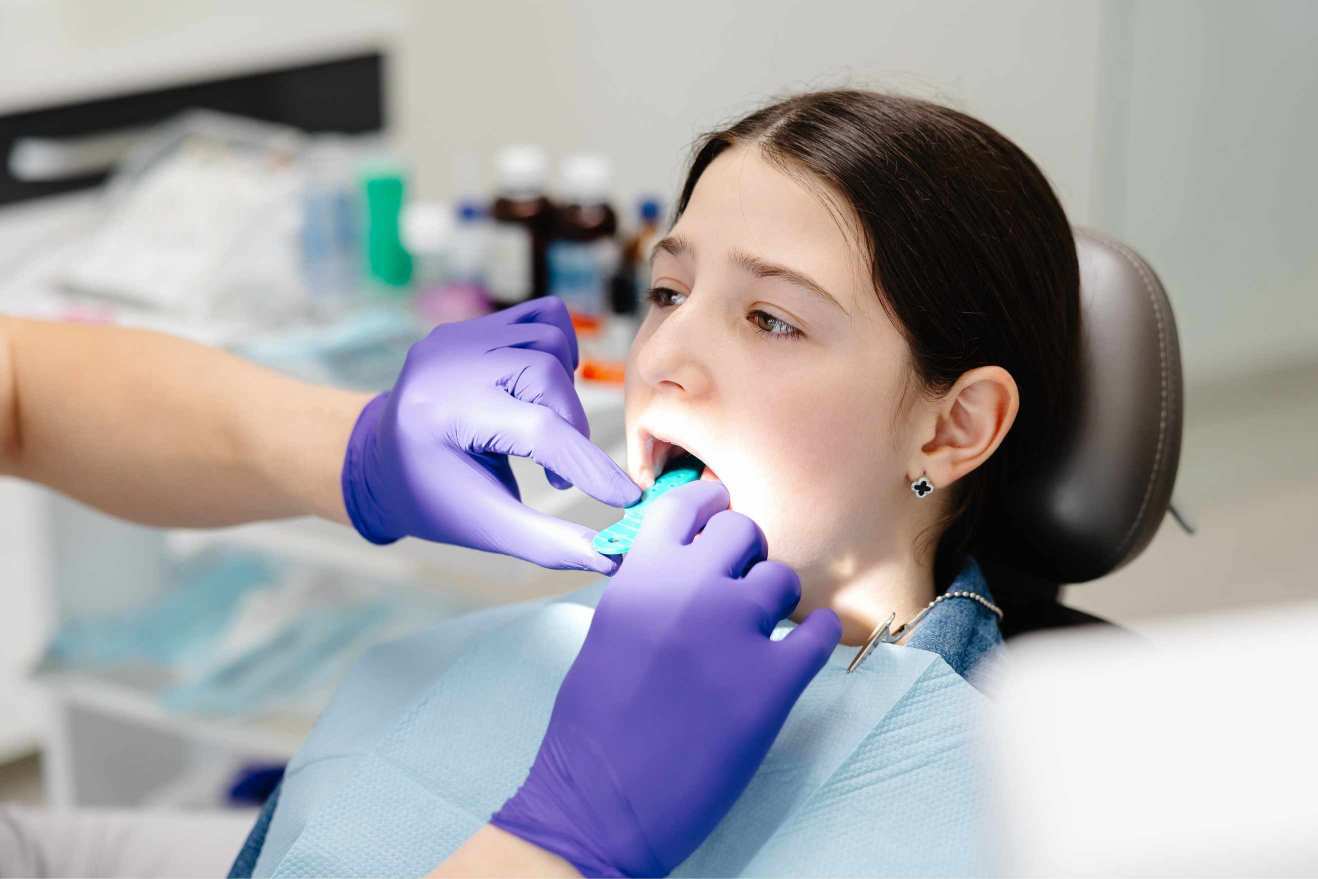
Because several conditions can produce the same symptom, a careful examination is the best way to identify the problem.
At Rolling Hills Family Dentistry, your visit may include:
- A comprehensive oral examination
- Digital X-rays
- Bite analysis
- Evaluation of existing fillings or crowns
- Gum health assessment
- Examination for small cracks or tooth wear
This thorough approach helps pinpoint the source of the problem instead of simply treating the symptoms.
Treatment Depends on the Underlying Cause
Once the reason for the change is identified, treatment is customized to restore comfort and function.
Depending on your diagnosis, your dentist may recommend:
- Tooth-colored fillings
- Dental crowns
- Bite adjustment
- Periodontal therapy
- Root canal treatment, if the tooth’s nerve has been affected
- A custom nightguard for teeth grinding.
Addressing the issue early often leads to simpler, more conservative treatment.
Protect Your Smile by Listening to the Small Signs
Your teeth rarely change the way they feel without a reason.
If one tooth consistently feels different every time you chew, it’s worth having it evaluated even if the discomfort is mild or comes and goes.
At Rolling Hills Family Dentistry, our team proudly cares for patients throughout Poway, Rancho Bernardo, Scripps Ranch, Carmel Mountain Ranch, 4S Ranch, and surrounding San Diego communities, helping families find answers before small dental concerns become bigger ones.
If you’re looking for a trusted dentist in Poway, CA, we’re here to help you protect your smile with personalized, comprehensive dental care.
Schedule a Consultation if you’ve noticed changes while chewing, and meet Dr. Dana Baba to learn how our patient-centered approach supports healthy smiles at every stage of life.
Frequently Asked Questions (FAQ’s)
Why does one tooth feel different only when I chew?
It may be caused by a small crack, cavity, bite imbalance, worn restoration, or gum inflammation.
Can a tooth feel different without having a cavity?
Yes. Bite changes, cracked teeth, gum issues, and worn fillings can all cause this sensation.
Should I wait until the tooth hurts?
No. Early evaluation often prevents more extensive treatment later.
Can teeth grinding make one tooth feel different?
Yes. Grinding places extra pressure on certain teeth and may cause soreness during chewing.
When should I see a dentist?
If one tooth consistently feels different for more than a few days or the sensation worsens, schedule a dental examination.