12285 Scripps Poway Parkway Suite 104 Poway, CA 92064


For many people, a brighter smile can boost confidence and enhance everyday interactions. But if you have a dental implant, you might be wondering whether whitening treatments will affect it—or if whitening is even possible. This is a very common question among patients with dental implants and those considering tooth-brightening options while maintaining the long-term health of their smile.
Understanding how whitening works and how dental implants respond to these treatments will help you make an informed, safe decision.
How Teeth Whitening Actually Works
To understand whether whitening can affect dental implants, it helps to know how whitening works in the first place.
Most whitening treatments—whether at home or professionally applied—use a peroxide-based formula. This formula penetrates the tiny pores of natural tooth enamel and breaks down stained molecules. Because enamel is porous and made of natural minerals, it responds well to the whitening process.
Dental implants, however, are different. The visible part of an implant restoration is typically a porcelain or ceramic crown. These crowns are incredibly durable, long-lasting, and stain-resistant, but they do not have the same porous structure as natural teeth. That means they do not respond to whitening products in the same way.
Can You Whiten a Dental Implant?
The short answer: No, whitening treatments will not change the color of your dental implant crown.
Because the materials used in implants do not contain enamel, they will not absorb whitening agents. While your natural teeth around the implant may become whiter, the implant crown will remain the same shade it was when it was originally placed.
This is why many people planning to get dental implants often discuss the desired tooth shade beforehand. Matching the implant crown to the color of nearby natural teeth helps create a seamless appearance.
What Happens If You Whiten Your Teeth When You Already Have an Implant?
If you already have an implant and want to brighten your natural teeth, you can still safely do so. However, you should be aware of a few things:
1. The implant crown will not change color
This means your natural teeth may become whiter than the implant, resulting in a noticeable difference in shade.
2. Timing matters
If you plan to whiten your teeth and also need an implant crown, it is usually best to whiten first. Once your natural teeth reach your preferred shade, the implant crown can be matched to blend perfectly.
3. Older crowns may look darker in comparison
Porcelain crowns resist stains well, but over many years, everyday habits like coffee drinking can alter the appearance slightly. After whitening, natural teeth may become brighter than an older implant crown, making the crown stand out more.
Why Dental Implants Don’t Stain the Same Way Natural Teeth Do
Dental implants are created with high-quality materials that are designed to mimic the look of natural enamel without its vulnerability to staining. Porcelain and zirconia are especially resistant to discoloration from coffee, tea, wine, berries, and tobacco.
While this is a benefit, it also explains why whitening products have no impact on them. These materials simply do not respond chemically to whitening agents.
This stain-resistant feature is one of the many reasons why dental implants in Poway remain such a reliable and long-lasting tooth replacement option. Patients appreciate that implant crowns retain their appearance for many years with proper care.
What If You Want Everything to Look Uniform?
If you want a consistently bright smile, there are a few approaches to consider:
1. Whiten first, then match restorations
If you already know you want a brighter smile, completing your whitening before the implant crown is created is ideal.
2. Replace an older crown for a whiter look
If your implant crown was placed years ago and no longer matches your natural teeth after whitening, replacing it with a new, brighter crown may help create a more uniform appearance.
3. Maintain regular oral hygiene
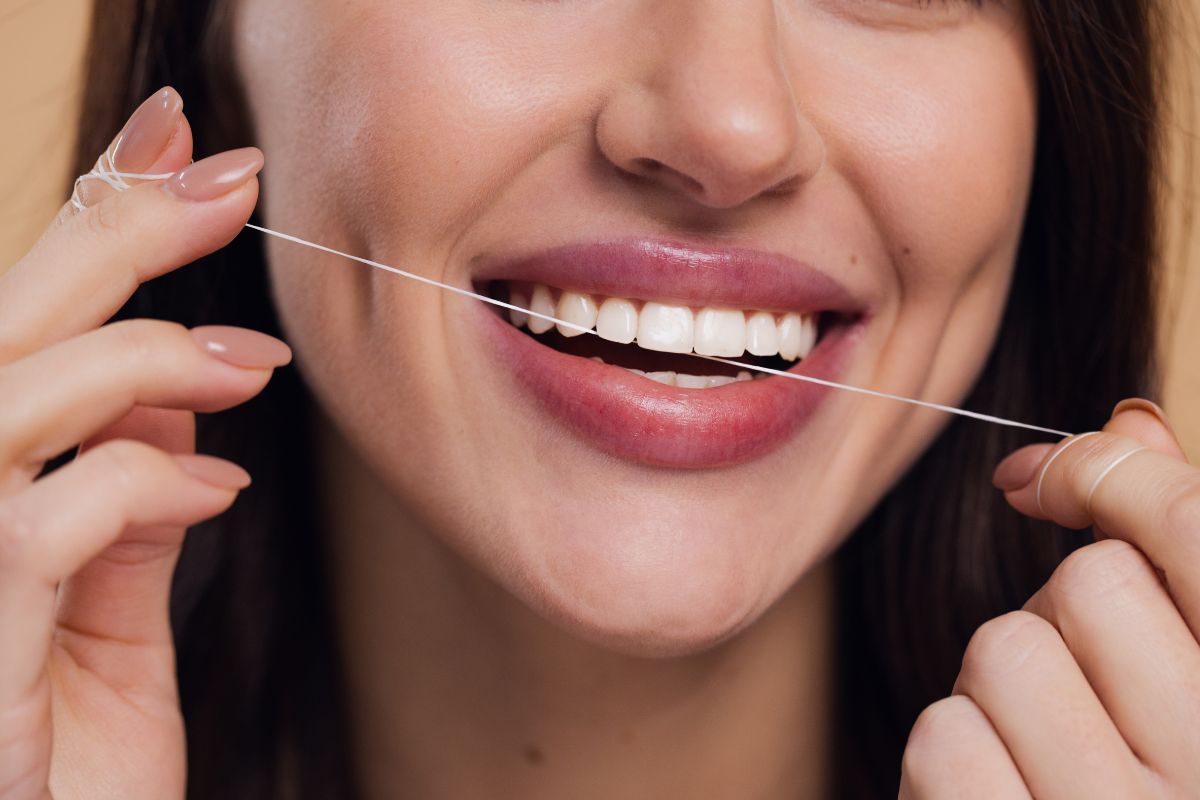
Even though implants do not stain easily, keeping your entire smile clean helps everything look its best. Daily brushing, flossing, and routine dental visits support long-term oral health.
Can Whitening Harm a Dental Implant?
The good news is that whitening treatments do not damage implants. Whitening gels only affect natural enamel and will not harm titanium posts, ceramic abutments, or porcelain crowns.
However, a professional evaluation is always wise. Sensitivity or gum irritation may occur, especially around older restorations, so it’s beneficial to speak with a dental professional before starting any whitening treatment.
Choosing the Right Approach for Your Smile
Every smile is different. Your natural tooth shade, the number of implants you have, the age of your crowns, and your whitening goals all play a role in your best whitening strategy.
That’s why many people with dental implants choose to discuss their whitening plans with an experienced dental team. A personalized approach ensures your results are both safe and visually pleasing.
Brightening Your Smile Starts With the Right Guidance
If you’re considering whitening your teeth and have questions about how it may affect your dental implants, our team can help you make a decision that keeps your smile balanced, healthy, and beautiful. At Rolling Hills Family Dentistry, we provide personalized support, patient-centered care, and a commitment to helping you feel more confident in your smile. Schedule an appointment with us and let us help you achieve your goals.