12285 Scripps Poway Parkway Suite 104 Poway, CA 92064

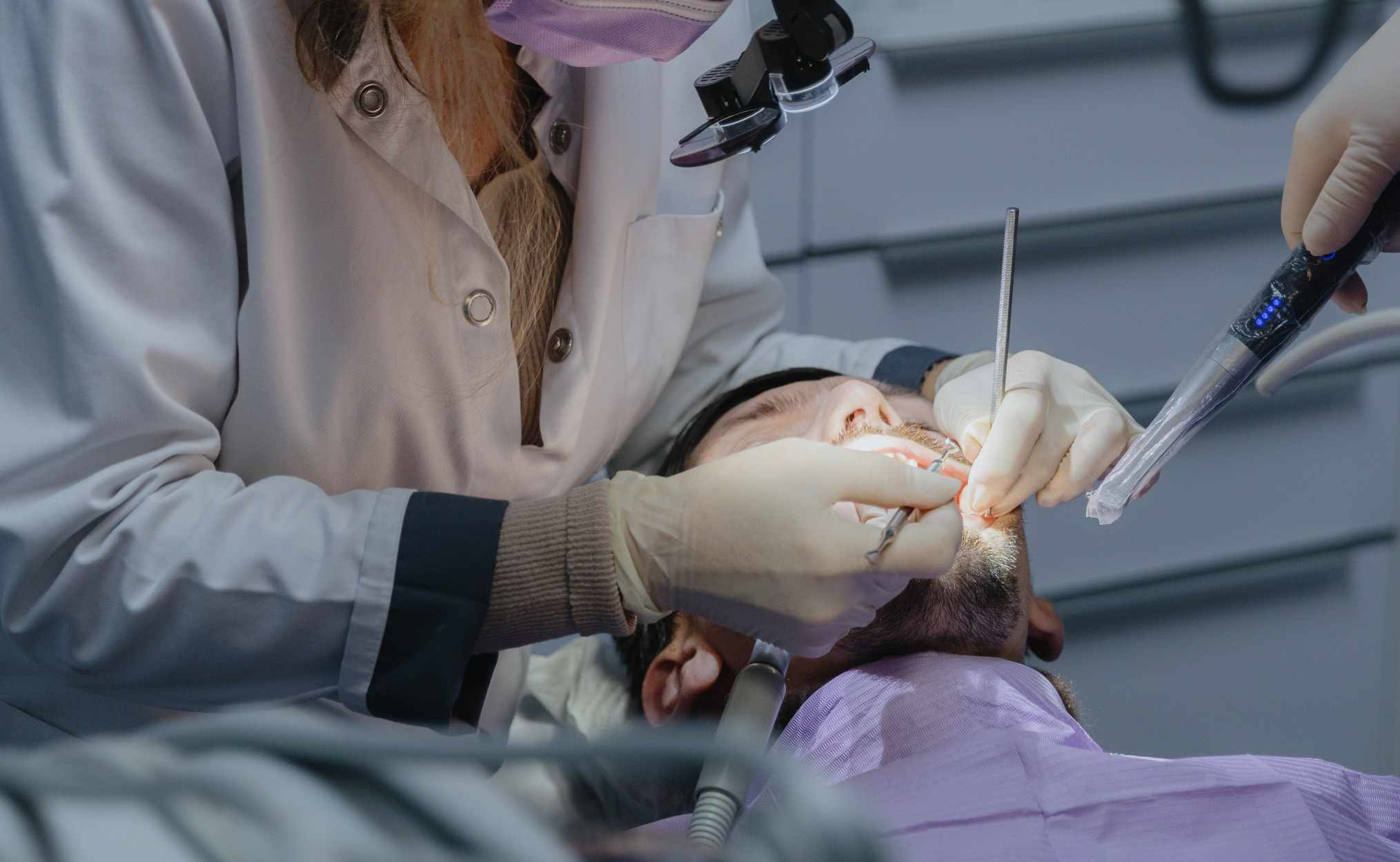
The familiar advice to visit the dentist every six months is a useful starting point, but it is not a rule for everyone. Some people may need one or two visits a year, while others benefit from more frequent care based on cavity risk, gum health, medical conditions, medications, and previous treatment. The American Dental Association notes that dental care is not one-size-fits-all.
A dentist in Poway can evaluate your oral health and recommend a schedule that fits your needs. Here is how visit frequency may change throughout life.
Babies and Toddlers: Begin by Age One
A baby should have a first dental visit after the first tooth appears and no later than the first birthday. This appointment allows the dentist to examine developing teeth, check for early decay, discuss feeding habits, and show parents how to clean the child’s mouth.
Future visits are scheduled according to the child’s needs. Children with enamel problems, frequent sugary drinks, or early cavities may need closer monitoring.
School-Age Children: Usually Every Six Months
For many school-age children, visits every six months provide a practical preventive routine. Teeth are erupting, brushing skills are still improving, and cavities can develop without obvious pain.
During these visits, the dental team may check tooth development, remove plaque and tartar, examine the gums, and discuss fluoride or sealants. Children with braces, crowded teeth, previous decay, or difficulty brushing may need more frequent care.
Teenagers: Keep the Routine
Teenagers often assume a dental visit can wait if nothing hurts. Unfortunately, cavities and gum inflammation may progress quietly.
Most teens should continue with regular checkups once or twice a year unless their dentist recommends another interval. Teens with braces or clear aligners still need routine dental cleanings because orthodontic appointments do not replace preventive care.
Visits can also help monitor wisdom teeth, enamel wear, gum health, sports-related injuries, and the effects of frequent snacking or sugary drinks.
Adults: Risk Matters More Than Age
Healthy adults may be advised to visit a dentist once or twice a year. A shorter interval may be recommended for people with:
- Frequent cavities
- Gum disease or previous periodontal treatment
- Diabetes or chronic dry mouth
- Tobacco or nicotine use
- Implants, crowns, bridges, or dentures
- Difficulty maintaining good home care
The ADA supports personalized, risk-based cavity prevention and management. Someone receiving periodontal maintenance may return every three or four months, while a patient with stable teeth and healthy gums may require fewer visits.
Pregnant patients should also stay current with dental care and tell their dental team about the pregnancy, medications, and medical recommendations.
Older Adults: Regular Care Still Matters
Dental visits do not become less important with age. Older adults may experience gum recession, worn restorations, dry mouth, root cavities, or difficulty brushing. The ADA identifies dry mouth, tooth decay, and periodontal disease among dental concerns associated with aging.
Reduced saliva can increase the risk of decay, sensitivity, and oral infections. Dentures and implants also require ongoing checks so the dentist can evaluate supporting tissues, fit, and existing dental work.
Do You Need X-Rays at Every Visit?
Not necessarily. Dental X-rays should be taken according to clinical need rather than automatically at every appointment. The appropriate interval depends on age, oral health, disease risk, symptoms, and previous findings.
A patient with active cavities may need imaging more often than someone with a stable dental history. Your dentist should explain why an X-ray is recommended.
When Should You Visit Sooner?
Do not wait for a routine appointment if you develop tooth pain, facial swelling, bleeding gums, a broken tooth, a loose restoration, persistent sensitivity, or difficulty chewing. Contact a dentist after an injury or when an unusual sore does not heal.
Routine visits are designed for prevention, but new symptoms deserve timely attention. Waiting can turn a manageable problem into a far less charming addition to your calendar.
Find the Right Schedule With a Dentist in Poway
For many families, appointments every six months remain a sensible baseline. The best schedule, however, is based on your age, oral health, medical history, and risk factors.
Rolling Hills Family Dentistry provides comprehensive dental care in Poway. First appointments commonly include a comprehensive examination, health-history review, and any necessary X-rays.
To receive a personalized recommendation from a dentist in Poway, schedule an appointment with Rolling Hills Family Dentistry.
Frequently Asked Questions
1. How often should adults visit the dentist?
Most adults should visit once or twice a year, although higher-risk patients may need more frequent care.
2. Do children need dental checkups every six months?
Many children benefit from six-month visits, but the schedule may change based on cavity risk and development.
3. Should seniors visit the dentist more frequently?
Some seniors need additional visits because of dry mouth, gum disease, medications, dentures, or implants.
4. Can I wait until a tooth hurts before seeing a dentist?
No, routine visits can identify problems before they cause pain or require more extensive treatment.
5. How will a dentist in Poway set my schedule?
The dentist will consider your teeth, gums, health history, past treatment, home care, and future risk.