12285 Scripps Poway Parkway Suite 104 Poway, CA 92064

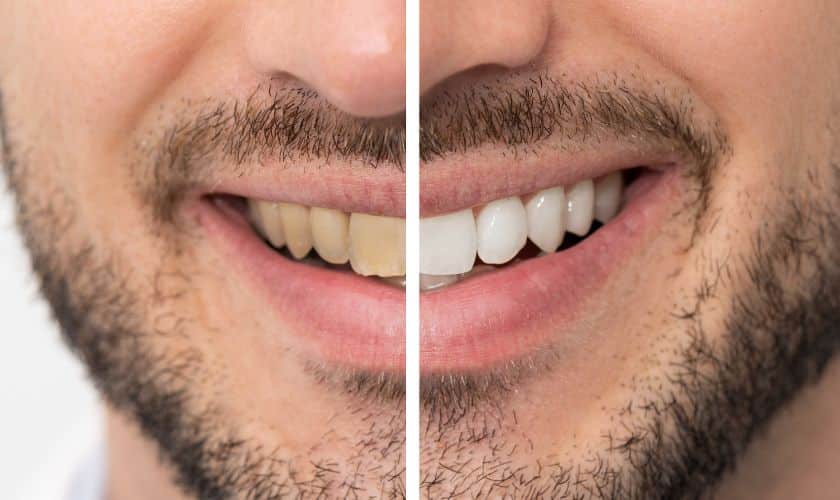
Teeth whitening is a popular cosmetic treatment that promises a brighter, whiter smile. While the aesthetic benefits are well-documented, it’s essential to understand how whitening treatments can impact your oral health. This blog will explore the potential effects of teeth whitening on your dental well-being, highlighting both positive and negative aspects.
The Benefits of Teeth Whitening
- Enhanced Appearance: The most immediate benefit of teeth whitening is a brighter, more radiant smile. This boost in appearance can lead to increased self-confidence and a more positive self-image.
- Motivation for Better Oral Hygiene: Seeing the results of whitening can motivate individuals to maintain better oral hygiene practices. The desire to keep their teeth looking white often leads to more consistent brushing, flossing, and dental check-ups.
- Effective Stain Removal: Whitening treatments can successfully remove stains caused by foods, drinks, and tobacco. This can help reduce the appearance of discoloration and give your teeth a fresher, cleaner look.
Potential Risks and Side Effects
- Tooth Sensitivity: One of the most common side effects of teeth whitening is increased tooth sensitivity. This occurs because the whitening agents can penetrate the enamel and affect the nerves within the teeth. Sensitivity is usually temporary but can be uncomfortable.
- Gum Irritation: Whitening agents can sometimes cause irritation or discomfort in the gums. This is more common with products that come into contact with the gums or if the treatment is used excessively.
- Uneven Results: Whitening treatments may not be effective on all types of discoloration. For instance, they may not work as well on certain types of stains or on dental restorations like crowns and fillings. This can lead to uneven results and a less satisfying appearance.
- Enamel Erosion: Overuse of whitening products can potentially damage tooth enamel. Enamel erosion can increase tooth sensitivity and make teeth more susceptible to decay and damage.
Tips for Minimizing Risks
- Consult Your Dentist: Before undergoing any whitening treatment, consult with your dentist to ensure your teeth and gums are healthy enough for whitening. They can recommend the best treatment options and help minimize potential risks.
- Follow Instructions: Adhere strictly to the instructions provided with your whitening products. Overuse or misuse can increase the risk of sensitivity and other side effects.
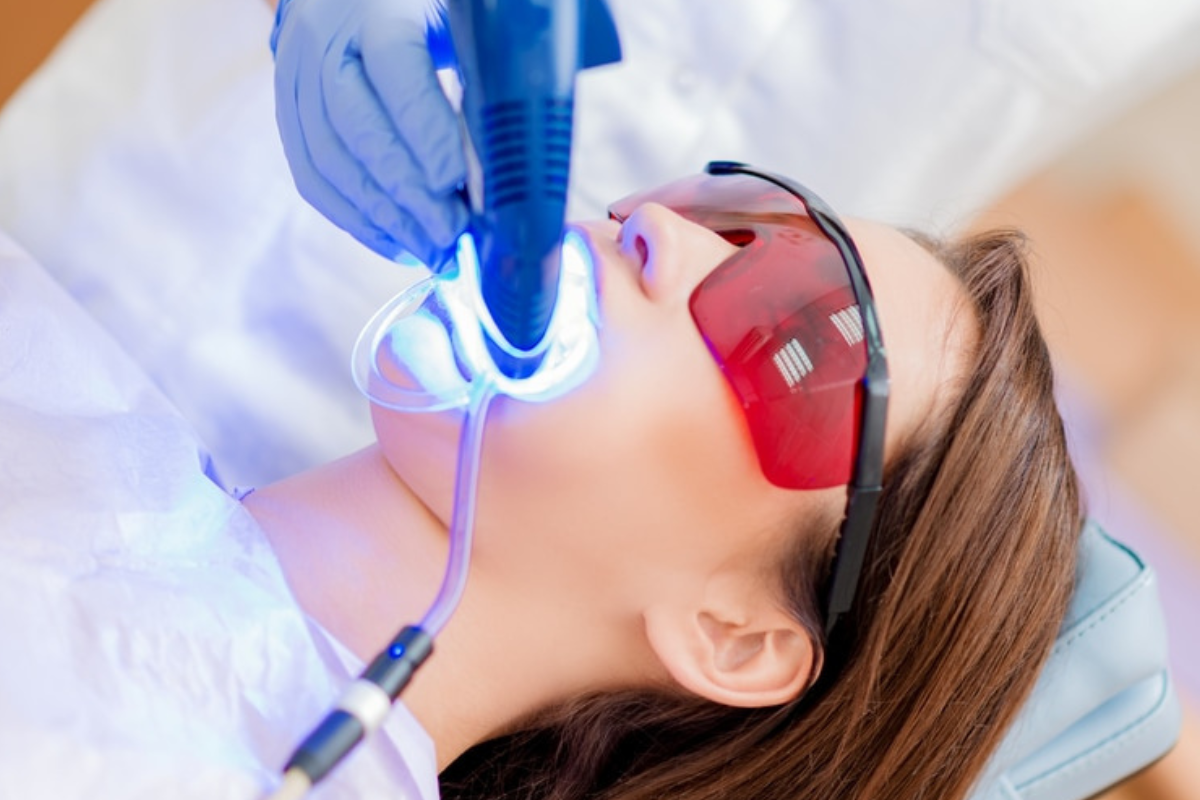
- Choose Professional Treatments: Professional whitening treatments offered by dentists are often safer and more effective than over-the-counter products. Dentists can tailor treatments to your specific needs and monitor your oral health throughout the process.
- Maintain Good Oral Hygiene: Regular brushing, flossing, and dental check-ups are crucial in maintaining both the results of your whitening treatment and your overall oral health.
Conclusion
Teeth whitening can be a great way to enhance your smile and boost your confidence. However, it’s essential to be aware of the potential impact on your oral health. By understanding the benefits and risks, consulting with your dentist, and following recommended practices, you can achieve a brighter smile while maintaining good oral health. If you’re considering teeth whitening, make sure to weigh the pros and cons and choose a method that is both effective and gentle on your teeth and gums.