12285 Scripps Poway Parkway Suite 104 Poway, CA 92064

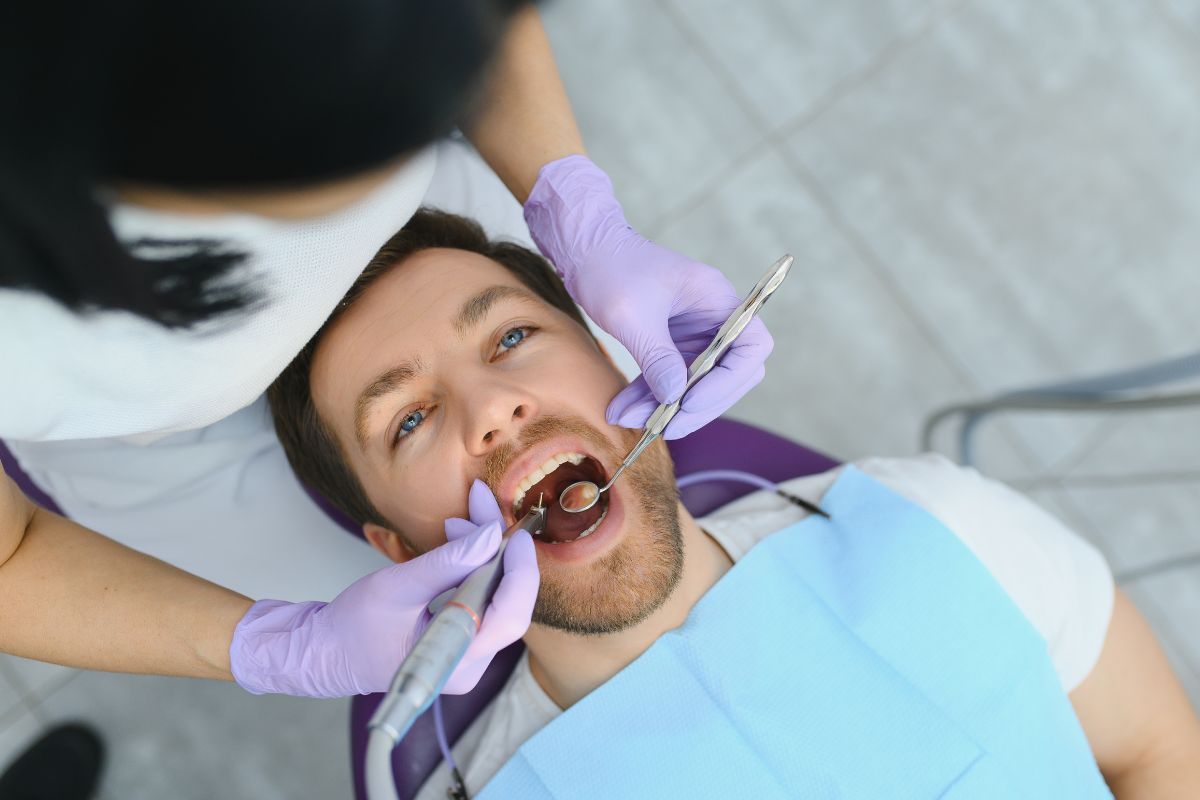
Recovering after a tooth extraction requires more than just rest. The steps you avoid during healing are just as important as the care you provide. Many post-extraction complications occur not because of the procedure itself, but due to everyday habits that interfere with healing. Understanding what not to do after a tooth extraction can help protect your comfort, reduce risks, and support long-term oral health.
Why Aftercare Is Crucial After a Tooth Extraction
After a tooth extraction, your body immediately begins healing by forming a blood clot at the extraction site. This clot protects the underlying bone and nerves while new tissue develops. Proper post-extraction care helps preserve this clot and prevents issues such as infection, delayed healing, or dry socket.
Patients seeking information about tooth extraction in Poway often want reassurance about what’s normal, what to avoid, and how to heal safely. Clear guidance plays a key role in recovery.
Common Mistakes to Avoid After a Tooth Extraction
Don’t Smoke or Use Tobacco Products
Smoking is one of the most common causes of delayed healing after a tooth extraction. Tobacco restricts blood flow and increases the risk of dry socket by interfering with clot formation. Avoid smoking or using tobacco for several days after the procedure to support proper healing.
Avoid Drinking Through a Straw
Suction from using a straw can dislodge the protective blood clot. Even gentle suction can create pressure in the mouth, increasing the risk of pain and complications. Drink liquids directly from a cup to protect the extraction site.
Don’t Eat the Wrong Foods During Recovery
Choosing the right foods is essential. Hard, crunchy, spicy, or sticky foods can irritate the wound or become trapped in the socket. Understanding foods to avoid after extraction helps reduce discomfort and prevents irritation.
Stick to soft, cool foods during the first few days, gradually returning to a normal diet as healing progresses.
Avoid Strenuous Physical Activity
Exercise raises blood pressure, which can trigger bleeding at the extraction site. Rest is one of the most overlooked but important recovery tips after extraction. Avoid heavy lifting, intense workouts, or physically demanding tasks for at least 24–48 hours.
Oral Hygiene Mistakes That Can Delay Healing
Don’t Skip Oral Hygiene Entirely
While the extraction site should be treated gently, neglecting oral hygiene elsewhere can increase bacterial buildup. Continue brushing and flossing carefully, avoiding the extraction area at first. Gentle saltwater rinses can support healing without disturbing the clot.
Avoid Touching or Probing the Area
Touching the extraction site with your fingers or tongue can introduce bacteria and disrupt healing tissue. Even if the area feels unusual, it’s best to leave it undisturbed and allow natural healing to occur.
Other Habits to Avoid After Tooth Extraction
Don’t Ignore Pain or Swelling
Some discomfort is expected, but worsening pain, swelling, or unusual symptoms should never be ignored. Proper pain management supports comfort and healing. Following guidance closely helps prevent complications related to tooth extraction recovery.
Avoid Alcohol During Early Healing
Alcohol can interfere with clot formation, delay healing, and interact poorly with medications. Avoid alcohol for at least 24–48 hours, or longer if advised, to protect the healing site.
How Awareness Supports a Smoother Recovery
Understanding what not to do after a tooth extraction allows patients to take an active role in their recovery. Protecting the blood clot, maintaining gentle oral hygiene, choosing appropriate foods, and allowing the body time to heal all contribute to a smoother, more predictable recovery process.
Patients researching tooth extraction often want clarity, reassurance, and trustworthy information. Clear expectations and thoughtful care choices can significantly reduce stress during healing.
A Thoughtful Approach to Healing at Rolling Hills Family Dentistry
Healing after a tooth extraction is not just about time—it’s about informed decisions and careful habits. At Rolling Hills Family Dentistry, we emphasize education, clear communication, and patient-focused guidance to help individuals feel confident throughout recovery. Our dental clinic is dedicated to supporting long-term oral health through thoughtful care and reliable information. If you have questions about healing or want personalized guidance, schedule an appointment with us and take the next step toward a comfortable, well-supported recovery.