12285 Scripps Poway Parkway Suite 104 Poway, CA 92064

You bought whitening strips, followed the instructions, and waited for a brighter smile. But when you looked in the mirror, the difference was barely noticeable.
Perhaps some teeth looked lighter while others remained yellow. Or maybe the results disappeared sooner than expected.
These experiences are common because tooth discoloration has several causes, and not every stain responds equally to whitening products.
For patients considering teeth whitening in Poway, CA, understanding what actually changes tooth color can help prevent disappointment and unnecessary spending.
Why Do Teeth Become Yellow or Discolored?
Natural tooth color varies from person to person. The visible appearance of a tooth depends partly on the thickness and translucency of enamel and the color of the underlying dentin.
Several factors can change tooth appearance over time.
Coffee, Tea, and Other Dark Beverages
Coffee, tea, red wine, and certain foods contain pigments that can accumulate on tooth surfaces. These external stains may gradually make teeth appear darker. Professional cleaning can remove some surface discoloration, while whitening may address certain stains within the tooth structure.
Natural Aging
Enamel can become thinner with age. As more of the underlying yellowish dentin becomes visible, teeth may appear darker. Whitening can sometimes improve the appearance, but it cannot reverse enamel loss.
Tobacco Use
Smoking and other tobacco products can create persistent yellow or brown stains. These stains may be more difficult to remove than ordinary food-related discoloration.
Medications and Developmental Factors
Certain medications taken during tooth development can cause intrinsic discoloration. Dental fluorosis, trauma, and developmental enamel differences can also affect tooth color. These conditions may respond differently to bleaching.
Why Do Store-Bought Whitening Products Sometimes Fail?
Over-the-counter whitening products can be effective for certain types of discoloration. However, results depend on the product, concentration, contact time, and individual tooth characteristics.
Whitening strips may not contact every tooth surface evenly. Improper application can contribute to inconsistent results.
Some products primarily remove surface stains rather than producing significant bleaching. Other products contain abrasive ingredients that can remove stains but may damage enamel or exposed root surfaces if misused. Patients should avoid assuming that stronger products always produce safer or better outcomes.
How Does Professional Teeth Whitening Work?
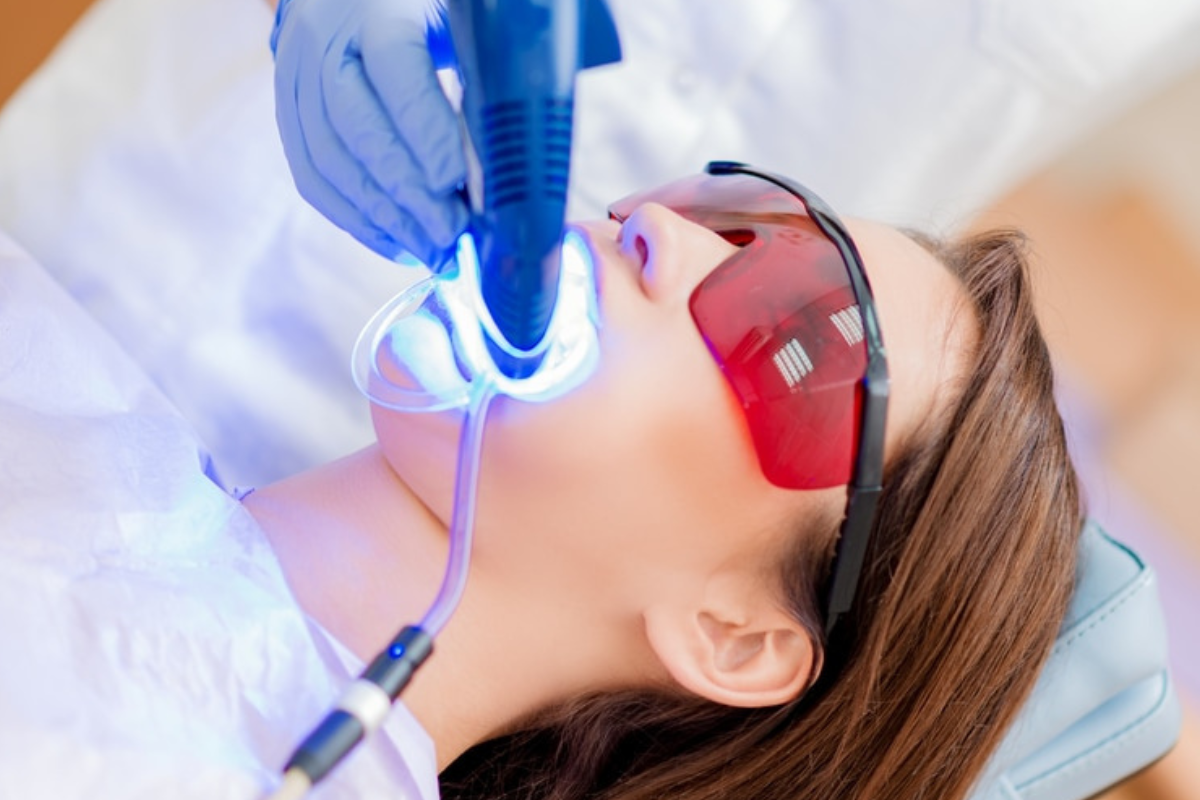
Professional whitening generally uses peroxide-based bleaching agents. These agents penetrate tooth structure and break down certain colored compounds.
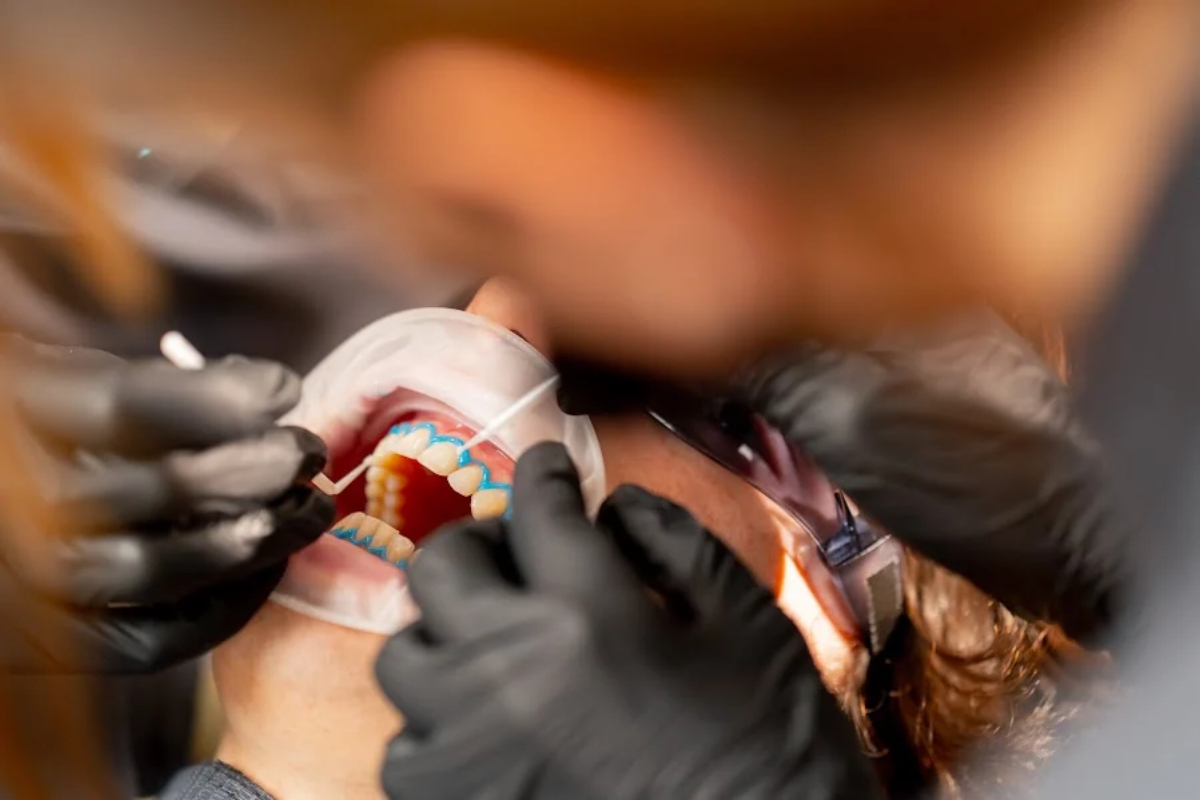
The result can be a lighter tooth appearance. Depending on the treatment selected, whitening may involve supervised at-home trays or an in-office procedure.
The dentist first evaluates the teeth and gums to determine whether bleaching is appropriate. Existing cavities, gum inflammation, exposed roots, or sensitivity may need attention before treatment. The dentist can also explain which discolorations are likely to respond and which may require another cosmetic approach.
Can Whitening Make Every Tooth the Same Color?
Not necessarily. Natural teeth do not always respond uniformly to bleaching.
Some teeth have deeper intrinsic stains or structural differences. White spots may become more noticeable temporarily after whitening because the surrounding enamel changes color.
Dental crowns, veneers, bridges, and tooth-colored fillings do not whiten like natural enamel. This is especially important for patients with restorations on their front teeth.
After bleaching, existing dental work may no longer match the surrounding teeth. Replacing visible restorations may be necessary if color consistency is a priority.
Is Professional Whitening Safer Than DIY Whitening?
Dentist-supervised whitening allows treatment to be selected according to the patient’s oral condition. This can reduce avoidable complications from unsuitable products or excessive bleaching.
However, professional whitening can still cause temporary sensitivity or gum irritation. Patients with exposed roots, cracked teeth, or untreated cavities may be more susceptible to discomfort.
A dental examination helps identify these concerns. Patients should avoid unverified whitening methods involving acidic household ingredients or aggressive abrasives. Lemon juice, charcoal scrubbing, and similar methods can damage tooth surfaces without providing reliable bleaching.
How Long Do Teeth Whitening Results Last?
Whitening results are not permanent. The duration depends on oral hygiene, dietary habits, tobacco use, and natural changes in tooth color.
Some patients maintain noticeable results for a year or longer, while others experience staining sooner. Frequent consumption of coffee, tea, or red wine can contribute to new discoloration.
Touch-up treatments may be appropriate, but the timing should follow professional recommendations. Repeated bleaching without guidance can increase sensitivity and irritation.
What Can You Do to Maintain a Brighter Smile?
A few consistent habits can help limit new surface stains. Rinse with water after drinking strongly pigmented beverages.
Brush twice daily with fluoride toothpaste and floss regularly. Avoid tobacco products.
Attend routine dental examinations and cleanings. If you drink acidic beverages, avoid brushing immediately afterward. Allow saliva time to help neutralize acids before brushing.
Whitening toothpaste may help remove surface stains, but it cannot reliably change intrinsic tooth color in the same way as peroxide bleaching.
When Is Whitening Not the Right Cosmetic Treatment?
Whitening may not adequately address every cosmetic concern. Teeth with deep intrinsic stains, developmental defects, or certain trauma-related changes may respond poorly.
Patients with chipped teeth, uneven shapes, or existing visible restorations may benefit from discussing bonding or veneers. A dentist can explain whether whitening alone is likely to achieve the desired appearance.
In some cases, combining whitening with another cosmetic treatment produces a more consistent result. However, treatment should be planned carefully to avoid unnecessary removal of healthy tooth structure.
Why Should Poway Patients Start With a Dental Examination?
A brighter smile should not come at the expense of oral health. Before bleaching, it is important to identify untreated decay, gum problems, and existing restorations.
At Rolling Hills Family Dentistry, patients can discuss their cosmetic goals and learn whether teeth whitening is suitable. The practice offers teeth whitening as part of its cosmetic dental services.
Patients from Poway, Scripps Ranch, and nearby San Diego neighborhoods can schedule a consultation to review treatment options.
Frequently Asked Questions
1. Does teeth whitening damage enamel?
Properly used peroxide-based whitening products are generally considered safe for suitable patients. Excessive use or inappropriate products can increase irritation and sensitivity.
2. Can yellow teeth become white again?
Many types of yellow discoloration respond to bleaching. However, results depend on the cause of discoloration and the natural characteristics of the teeth.
3. Where can I get teeth whitening in Poway, CA?
Rolling Hills Family Dentistry offers teeth whitening services in Poway. A consultation can help determine whether whitening is appropriate for your smile.
4. Does teeth whitening work on crowns or veneers?
No. Bleaching agents do not significantly change the color of dental crowns, veneers, or fillings. These restorations may need replacement if a new shade is desired.
Discover What Is Possible for Your Smile
Whitening is not simply about choosing the strongest product. Understanding why your teeth are discolored helps determine which treatment is most likely to produce satisfying results.
At Rolling Hills Family Dentistry in Poway, CA, our team can evaluate your smile and discuss professional cosmetic dentistry options.
Schedule a consultation to get a radiant bright smile without any health hazard.