12285 Scripps Poway Parkway Suite 104 Poway, CA 92064


Dental implants are a fantastic solution for replacing missing teeth, offering durability and a natural appearance. However, the success of dental implants greatly depends on proper aftercare. Knowing what to avoid during the healing process is crucial to ensuring the longevity and stability of your new dental implants. Here’s a comprehensive guide to what you should avoid after getting dental implants.
1. Hard and Crunchy Foods
Immediately after your dental implant surgery, it’s vital to avoid hard and crunchy foods. These foods can put undue pressure on the implant site, potentially dislodging the implant or damaging the surrounding tissues. Instead, opt for soft foods like mashed potatoes, yogurt, smoothies, and soups during the initial healing period.
2. Chewing on the Implant Site
It’s natural to use your teeth for chewing, but it’s essential to avoid using the side of your mouth where the implant was placed. Chewing directly on the implant site can interfere with the healing process and may lead to complications. Try to chew on the opposite side of your mouth until your dentist gives you the green light to resume normal eating habits.
3. Smoking and Tobacco Products
Smoking is one of the most detrimental habits for healing after dental implants. Tobacco products can significantly increase the risk of implant failure due to their negative impact on blood circulation and the body’s ability to heal. If you smoke, it’s highly recommended to quit at least a few weeks before your implant surgery and throughout the healing process.
4. Alcohol Consumption
Alcohol can also hinder the healing process after dental implant surgery. It can cause dehydration and affect the body’s ability to recover. Additionally, alcohol can interfere with any prescribed medications, such as antibiotics or pain relievers. It’s best to avoid alcohol until your dentist confirms that the implant site has healed sufficiently.
5. Strenuous Physical Activity
While it’s essential to stay active, strenuous physical activities should be avoided immediately after dental implant surgery. High-impact exercises can increase blood flow to the implant site, potentially leading to swelling, bleeding, and delayed healing. Light activities like walking are generally fine, but consult with your dentist about when you can resume more intense workouts.
6. Neglecting Oral Hygiene
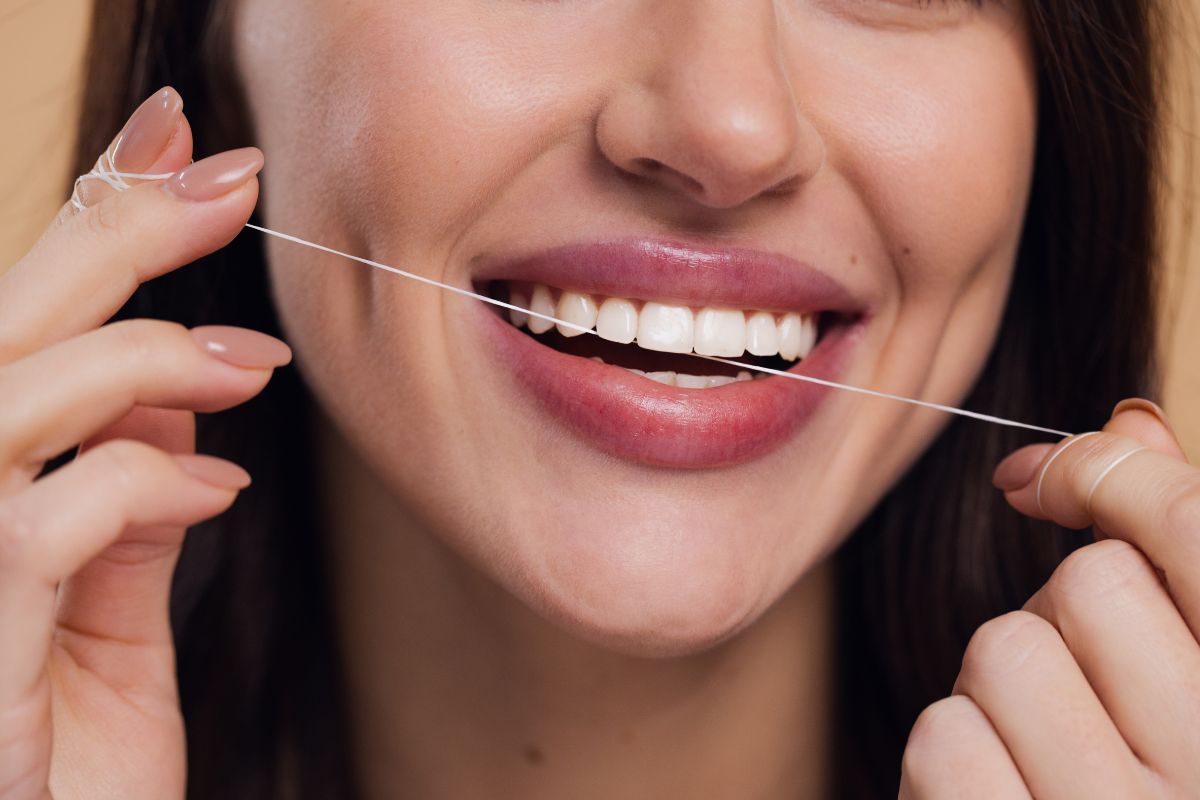
Proper oral hygiene is crucial for the success of your dental implants. Neglecting to clean your mouth adequately can lead to infections and complications. However, be gentle when brushing and flossing around the implant site. Your dentist will provide specific instructions on how to maintain oral hygiene during the healing period, including the use of special mouth rinses and soft-bristle toothbrushes.
7. Hot Beverages and Foods
Hot foods and beverages can cause discomfort and may irritate the implant site. They can also increase inflammation and slow down the healing process. Stick to lukewarm or cool foods and drinks until your mouth has had adequate time to heal.
8. Skipping Follow-Up Appointments
Regular follow-up appointments with your dentist are essential for monitoring your healing and ensuring the implant integrates properly with your jawbone. Skipping these appointments can lead to unnoticed complications and implant failure. Always attend scheduled check-ups and follow your dentist’s recommendations closely.
9. Using Straws
Sucking through a straw can create a negative pressure in your mouth, which might disturb the implant site and stitches. Avoid using straws for at least the first few days after your surgery to prevent any complications.
Conclusion
Understanding what to avoid after dental implant surgery is key to ensuring a smooth and successful recovery. By steering clear of hard foods, smoking, alcohol, and strenuous activities, you can promote healing and increase the chances of your dental implants lasting a lifetime. Always follow your dentist’s advice and attend all follow-up appointments to keep your new smile healthy and strong. At Rolling Hills Family Dentistry, our team provides expert guidance, personalized care, and ongoing support to help your dental implants heal properly and function beautifully for years to come. If you have any questions or notice unusual symptoms during recovery, contact our office—we’re here to support you every step of the way.