12285 Scripps Poway Parkway Suite 104 Poway, CA 92064

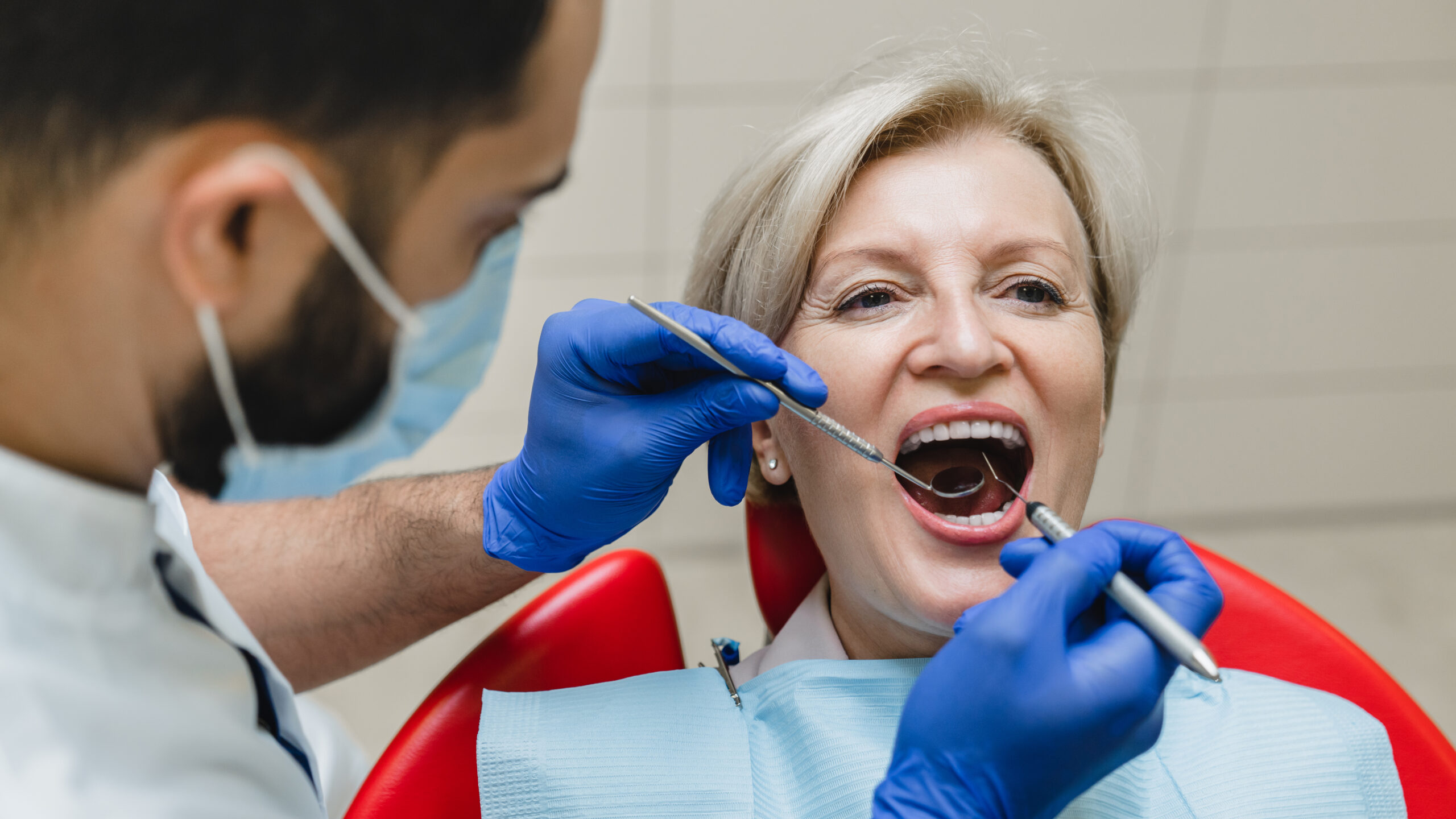
When you’ve had a tooth removed, one of the first questions that comes to mind is whether you can brush your teeth afterward. Good oral hygiene is always important, but the healing process requires extra care to make sure you don’t irritate the area or slow down recovery.
Why Oral Care Still Matters
After a tooth extraction, the healing process begins immediately. A blood clot forms in the empty socket to protect the bone and nerves while tissue starts to repair itself. Disturbing this clot can lead to a painful condition known as dry socket, which delays healing and causes significant discomfort.
Because of this, maintaining good oral hygiene is crucial—but you need to do it in a way that doesn’t interfere with the healing site.
When Can You Brush Your Teeth After Extraction?
Most dentists recommend waiting at least 24 hours before brushing near the extraction site. On the day of your procedure, you can gently brush the teeth away from the surgical area, being careful to avoid direct contact with the socket. After the first 24 hours, you can carefully reintroduce brushing, but still keep the toothbrush away from the extraction site until your dentist advises it is safe.
The timeline can vary depending on the complexity of your extraction and your overall oral health. For gentle, expert tooth extraction in Poway, our team is here to guide you through every step—schedule an appointment today.”
Tips for Safe Brushing After a Tooth Removal
Brushing your teeth too aggressively after an extraction can do more harm than good. Here are some safe practices to follow:
- Use a soft-bristled toothbrush: This minimizes irritation to your gums.
- Brush gently: Avoid vigorous scrubbing, especially near the surgical area.
- Stay away from the socket: Do not touch the extraction site with your toothbrush until it has healed.
- Keep the rest of your mouth clean: Brush your other teeth as usual to prevent bacteria buildup.
- Rinse carefully: Instead of swishing, tilt your head and let water or a prescribed rinse flow gently over your mouth.
These steps help balance the need for cleanliness with the need for healing.
What About Mouth Rinsing?
Many patients wonder if rinsing is a good substitute for brushing right after extraction. Within the first 24 hours, it’s best to avoid rinsing vigorously, as this can dislodge the protective blood clot. After the initial healing period, your dentist may recommend rinsing with a warm saltwater solution to reduce bacteria and keep the area clean without irritation.
Common Mistakes to Avoid
During recovery, patients sometimes make small mistakes that can cause setbacks. Try to avoid:
- Brushing directly on the extraction site too soon
- Using a hard-bristle toothbrush that irritates the gums
- Swishing mouthwash aggressively in the early days
- Skipping oral hygiene entirely out of fear of harming the area
Avoiding these missteps can make your recovery smoother and more comfortable.
Why Follow-Up Care Matters
Every patient heals differently. Regular follow-up with your dentist ensures your gums are healing as expected. If you notice unusual pain, bleeding, or swelling, contacting your dentist promptly is important. With expert care and attention, you can return to your normal brushing routine safely and confidently.
A skilled Poway dentist will guide you through every stage of recovery, making sure you’re supported and informed during the healing process.
Final Thoughts
So, can you go to the dentist if you have a cold? The answer depends on the severity of your symptoms. Mild cases may still allow you to keep your appointment, while more serious symptoms often mean rescheduling is the better choice. Either way, communication with Rolling Hills Family Dentistry ensures you get the right guidance and patient-centered care tailored to your needs—schedule an appointment today.
At our dental clinic, we are dedicated to guiding patients through every stage of care, from procedure to recovery—schedule an appointment today.
1. When can I start brushing after a tooth extraction?
You can usually brush your other teeth the same day, but avoid the extraction site for at least 24 hours. After that, be gentle around the area.
2. Can brushing too soon cause problems after a tooth extraction?
Yes. Brushing directly on the site too early may dislodge the blood clot, which is essential for healing. This can lead to pain or complications.
3. How do I keep my mouth clean without brushing?
Rinse gently with warm salt water after the first 24 hours. This helps keep the area clean while allowing your mouth to heal naturally.
4. What happens if I accidentally brush over the extraction site?
If you brushed lightly, it’s usually fine. But if bleeding starts or pain increases, contact your dentist for guidance.
5. How long should I wait before returning to my full oral care routine?
Most people can resume their normal brushing and flossing within a week, as long as healing is going smoothly and there’s no discomfort.