12285 Scripps Poway Parkway Suite 104 Poway, CA 92064

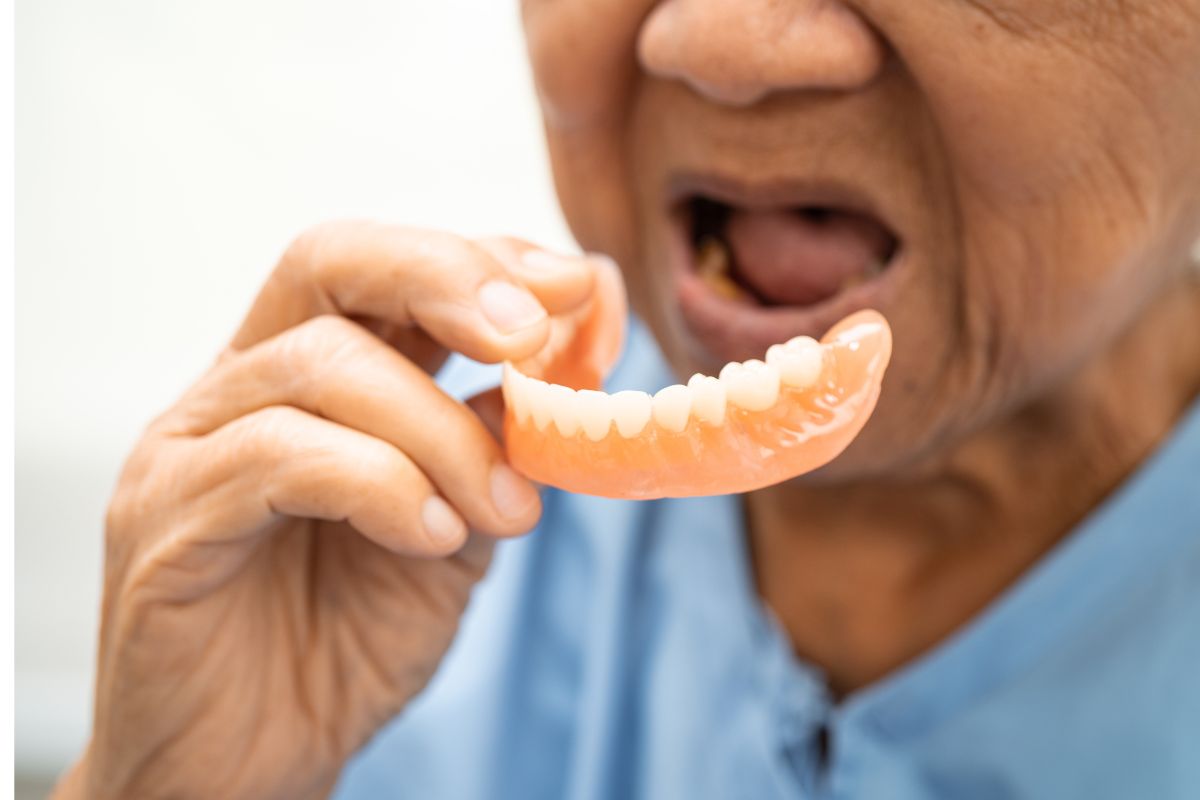
It is a common question patients ask after restoring their smile: If I have a dental implant, can it get a cavity like a natural tooth? The short answer is no, but that does not mean dental implants are immune to problems. Understanding how implants function and how to care for them properly is essential to protecting your long-term oral health.
Dental implants are designed to replace missing teeth with durable, biocompatible materials. While they do not decay like natural enamel, the surrounding tissues still require consistent care. Let’s break down what that means and how you can protect your investment.
Why Dental Implants Don’t Get Cavities
Implants Are Made from Non-Organic Materials
Unlike natural teeth, which are made of enamel and dentin, dental implants are typically made from titanium and topped with a porcelain or ceramic crown. Because these materials are not organic, they cannot decay in the same way a natural tooth does. Cavities form when bacteria produce acids that erode enamel, but implants do not have enamel to break down.
So technically, a dental implant cannot develop a cavity.
However, that does not mean it is maintenance-free.
What Problems Can Affect a Dental Implant?
Even though dental implants do not get cavities, they can develop complications if not properly cared for.
Peri-Implant Mucositis
This condition is similar to gingivitis. It involves inflammation of the soft tissues surrounding the implant. Symptoms may include redness, swelling, or bleeding when brushing.
If caught early, it can often be managed successfully.
Peri-Implantitis
Peri-implantitis is a more serious condition involving inflammation and bone loss around the implant. It occurs when bacteria accumulate around the implant site and are not effectively removed. Over time, untreated peri-implantitis can threaten the stability of the implant.
This is why proper oral hygiene and professional monitoring are critical components of successful implant dentistry.
Why Oral Hygiene Still Matters with Dental Implants
Many patients assume that because implants cannot decay, they do not require the same level of attention as natural teeth. In reality, dental implants require just as much—if not more—care.
Bacteria can still accumulate around the gumline. If plaque is not removed consistently, it can irritate the tissues and compromise the bone that supports the implant.
Daily brushing, flossing, and routine dental visits play a major role in maintaining healthy gums and protecting the longevity of dental implants.
How Long Do Dental Implants Last?
With proper care, dental implants can last decades. Their long-term success depends on several factors, including:
- Consistent oral hygiene habits
- Healthy gum tissue
- Adequate bone support
- Avoiding smoking
- Managing medical conditions like diabetes
When placed and maintained properly, dental implants are one of the most predictable and durable solutions in modern implant dentistry.
Can the Crown on an Implant Get Damaged?
While the implant itself cannot decay, the crown attached to it can still experience wear and tear. Porcelain crowns are strong but not indestructible. Habits such as teeth grinding, chewing ice, or biting hard objects can cause chipping or cracking.
In these cases, the crown may need repair or replacement—but this is different from a cavity forming.
The Importance of Professional Monitoring
Regular dental evaluations are essential for monitoring the health of your implant and surrounding tissues. Early signs of inflammation or bone changes may not always be noticeable at home.
Patients considering or maintaining dental implants benefit from ongoing assessments to ensure their implant remains stable and healthy. A proactive approach helps prevent minor concerns from developing into major complications.
At its core, successful implant dentistry is not just about placement—it is about long-term maintenance and personalized care.
What Makes Dental Implants a Reliable Option?
Dental implants are widely regarded as a gold standard for tooth replacement because they:
- Function like natural teeth
- Preserve jawbone structure
- Prevent shifting of surrounding teeth
- Support facial structure
- Provide long-term stability
Their ability to integrate with the jawbone makes them more secure than other tooth replacement options.
Still, long-term success relies on a partnership between patient and provider. Education, consistency, and professional oversight are key.
How to Protect Your Dental Implant
To maintain the health of your implant:
- Brush twice daily using a soft-bristle toothbrush
- Clean between teeth with floss or interdental tools
- Avoid tobacco use
- Wear a nightguard if you grind your teeth
- Keep up with routine dental visits
Taking these steps reduces the risk of inflammation and helps preserve the supporting bone around the implant.
Protect Your Smile with Trusted Implant Expertise
Dental implants cannot get cavities—but they still require thoughtful care and professional oversight to remain strong and healthy for years to come. At Rolling Hills Family Dentistry, we take pride in delivering high-quality, patient-centered care rooted in precision, education, and long-term results. Whether you already have dental implants or are considering them, our dental clinic is here to support your oral health journey with expertise you can trust. Schedule an appointment today and let Rolling Hills Family Dentistry help you maintain a confident, healthy smile for years to come.