12285 Scripps Poway Parkway Suite 104 Poway, CA 92064

Maintaining excellent oral hygiene becomes even more important after getting dental implants. While implants are designed to function like natural teeth, they still require consistent care to stay healthy and last for years. One of the most overlooked yet essential habits is flossing correctly. If you’ve recently undergone a dental implant procedure or are considering one, understanding how to floss properly can make a significant difference in your long-term results.
Why Flossing Matters for Dental Implants
Dental implants are not susceptible to cavities like natural teeth, but the surrounding gum tissue and bone are still vulnerable. Plaque buildup around implants can lead to inflammation, known as peri-implant mucositis, which can progress into more serious conditions if left untreated.
Flossing helps remove food particles and bacteria from areas your toothbrush cannot reach. Keeping these spaces clean supports gum health, protects the implant structure, and contributes to the overall success of your dental implants.
When to Start Flossing After Implant Placement
After a dental implant treatment, your dentist will guide you on when it’s safe to resume flossing. Typically, you may need to wait until the initial healing phase is complete. This allows the implant to integrate properly with the jawbone.
In most cases, you’ll need to allow time for proper healing so the implant can fully integrate with the jawbone—this is a critical stage that supports the strength and stability of your dental implants. By combining advanced techniques with personalized care, our dental implant procedure in Poway is designed to help you achieve a healthy, confident smile that lasts. Once you’re ready, we guide you on the safest and most effective ways to maintain your implants at home.
Best Tools for Flossing Around Dental Implants
Not all floss is created equal when it comes to dental implants. Choosing the right tools can make the process easier and more effective.
Implant-Specific Floss
Specialized floss, often thicker or spongy, is designed to clean around implants without causing harm. It helps reach under the gumline and around abutments more efficiently.
Water Flossers
Water flossers use a gentle stream of water to clean around implants. They are especially helpful for individuals who find traditional floss difficult to use.
Interdental Brushes
These small brushes can clean between teeth and around implants. Look for soft, non-metal options to avoid scratching the implant surface.
Step-by-Step Guide to Flossing with Dental Implants
Flossing dental implants may feel slightly different than flossing natural teeth, but with the right approach, it becomes a simple part of your routine.
1. Use the Right Length of Floss
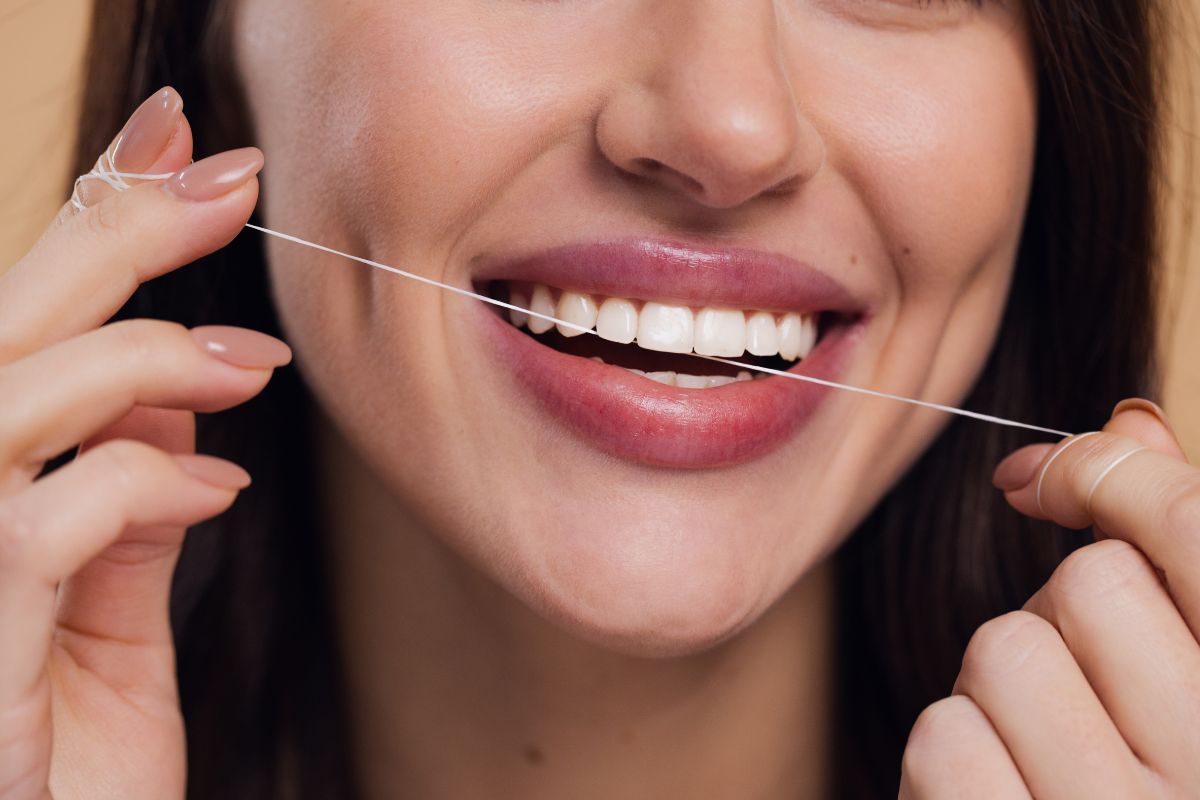
Start with about 18 inches of floss, giving you enough length to work comfortably around each implant.
2. Gently Insert the Floss
Carefully guide the floss between the implant and neighboring teeth. Avoid snapping it into place, as this can irritate the gums.
3. Clean Around the Implant
Wrap the floss in a C-shape around the implant crown and gently move it up and down. Make sure to clean both sides of the implant.
4. Go Below the Gumline
If recommended by your dentist, gently slide the floss slightly below the gumline to remove hidden plaque.
5. Repeat for Each Implant
Use a clean section of floss for each area to prevent the spread of bacteria.
Common Mistakes to Avoid
Even with the best intentions, certain habits can reduce the effectiveness of flossing or harm your dental implants.
- Using excessive force: This can irritate or damage the gum tissue.
- Skipping flossing altogether: Brushing alone is not enough to maintain implant health.
- Using inappropriate tools: Avoid sharp or metal instruments that can scratch implant surfaces.
- Inconsistent routine: Flossing occasionally won’t provide the protection your implants need.
How Often Should You Floss?
Consistency is key. Flossing at least once a day is recommended to maintain healthy gums and protect your dental implants. Many patients find that flossing before bedtime helps remove the day’s buildup and keeps their mouth clean overnight.
Signs You May Need to Improve Your Flossing Routine
If you notice any of the following signs, it may be time to adjust your flossing habits:
- Bleeding gums around the implant
- Redness or swelling
- Persistent bad breath
- Sensitivity near the implant area
Addressing these symptoms early can prevent complications and help maintain the success of your dental implant procedure.
Long-Term Care for Dental Implants
Flossing is just one part of maintaining dental implants. Regular dental checkups, proper brushing techniques, and a balanced diet all contribute to long-term success. Patients who commit to a consistent oral hygiene routine often enjoy better outcomes and fewer complications.
Take Control of Your Implant Health with Expert Care
Caring for your dental implants doesn’t have to be complicated, but it does require the right knowledge and consistency. Understanding proper flossing techniques can protect your investment and support lasting oral health.
At Rolling Hills Family Dentistry, we take pride in guiding patients through every step of their oral health journey with a patient-centered approach and a commitment to high-quality care. If you have questions about maintaining your dental implants or want personalized guidance, visit our dental clinic and let our team help you keep your smile healthy and strong for years to come.
Frequently Asked Questions
Can I floss dental implants the same way as natural teeth?
Not exactly. While the basic motion is similar, dental implants require a gentler approach and often specialized tools like implant floss or interdental brushes to clean effectively around the implant.
How soon can I floss after getting dental implants?
You should wait until your dentist confirms that healing has progressed enough. After a dental implant procedure, flossing too early can irritate the area, so always follow professional guidance.
What happens if I don’t floss around my dental implants?
Skipping flossing can lead to plaque buildup, gum inflammation, and potential implant complications. Consistent care is essential for maintaining healthy dental implants.
Is a water flosser safe for dental implants?
Yes, water flossers are generally safe and can be very effective. They help remove debris and bacteria from hard-to-reach areas, especially around implants and gum tissue.
Should my gums bleed when flossing around implants?
Healthy gums should not bleed regularly. Occasional bleeding may occur if you’re new to flossing, but persistent bleeding could indicate irritation or inflammation and should be evaluated.
Do dental implants require more care than natural teeth?
Dental implants require consistent and proper care, similar to natural teeth. However, the focus is more on protecting the surrounding gum and bone rather than preventing cavities.